People frequently ask whether making bond assists or hurts a future expungement. The brief answer is that bond and expungement stay in the very same criminal situation timeline, however they do various jobs. Bail has to do with getting out of protection and showing up to court. Expungement is about cleansing documents after the situation ends. They intersect in places that matter: just how a situation was fixed, whether you complied with court orders, and what the document states in staff systems and background databases. Treat them as separate tools that, if utilized sensibly, can support each other.
Two tracks in the same case
Bail decisions occur swiftly, usually within 24 to 72 hours after an arrest. A court considers trip risk and public safety and security. You might be launched by yourself recognizance, pay a money bond, make use of a bail bondsman, or continue to be in custody if the cost is non-bailable or you have holds from various other jurisdictions. That choice has to do with seeing to it the case can proceed.
Expungement occurs later on. Each state sets its very own policies for clearing or sealing documents. Some permit expungement only after a dismissal or pardon. Others allow it after a conviction once you complete probation and wait a defined variety of years. A few states utilize "securing" instead of "expungement," and some only conceal documents from public sight without totally damaging them. Federal documents, immigration documents, and particular violent or sex offenses normally sit outdoors traditional expungement schemes.
The throughline is habits and outcome. How you handle your situation while out on bond can form the last disposition, which disposition regulates expungement eligibility. Bail does not develop a right to expungement, yet excellent efficiency on bond frequently keeps doors open.
What a bond actually does
A bond is an assurance. If you are launched, the court expects you to show up and follow conditions: no brand-new arrests, keep away from specific individuals or areas, examination tidy if purchased, keep work or institution, check in with pretrial solutions. If you make use of a business bail bondsman, you pay a costs that is normally nonrefundable. In numerous states it runs concerning 10 percent of the bond quantity, occasionally lower for large bonds or co-signed arrangements. The bail bondsman is not part of the prosecution or the court, but they carry threat. If you miss out on court, they can look for to surrender you, and the court can surrender the bond.
From the expungement perspective, a tidy pretrial run aids. Judges bear in mind when an accused makes every look and triggers no difficulty. District attorneys do as well. That goodwill can translate right into better appeal deals, earlier dismissals, or diversion programs. Those end results issue since expungement depends upon them.
The path from bond to end result to videotape clearing
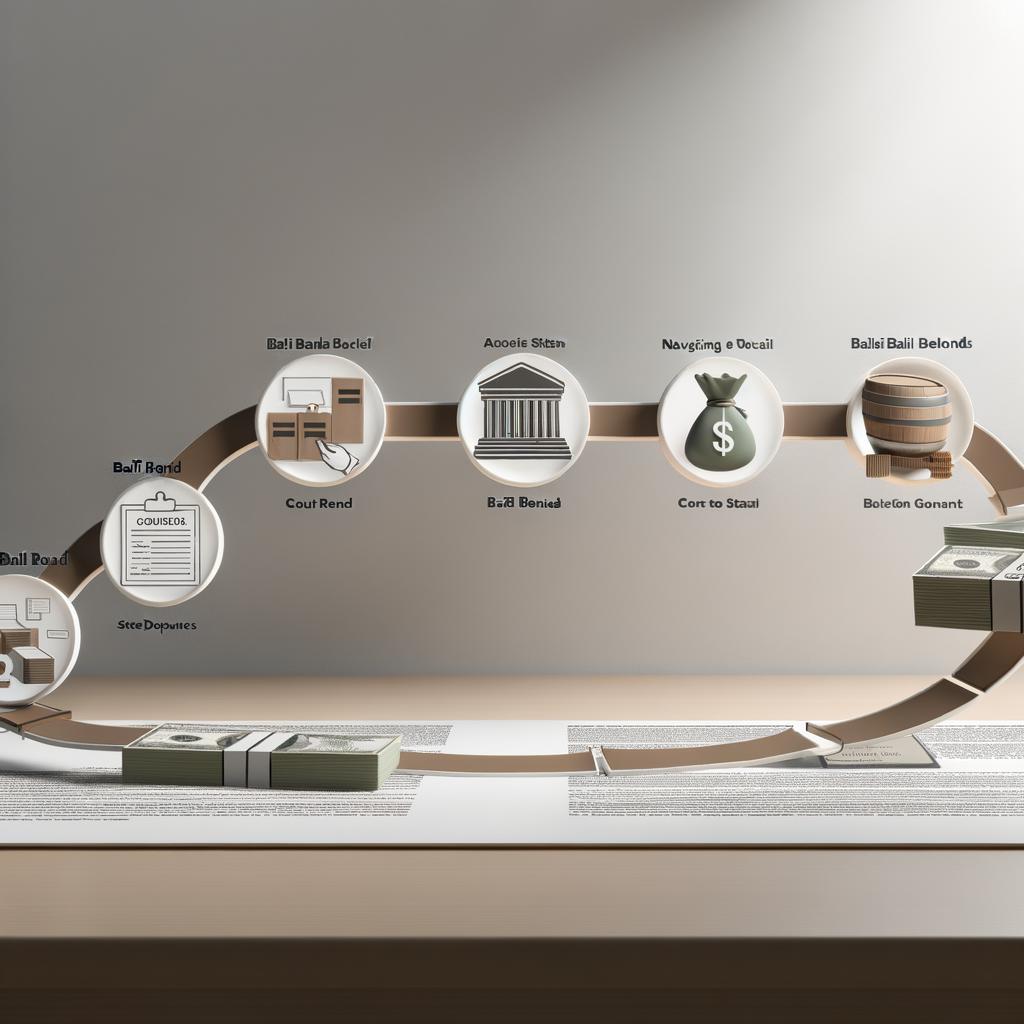
Think concerning the process as a series:
- Arrest, booking, preliminary look with a bail decision. Pretrial duration while out on bond or in custody, consisting of movements and discovery. Resolution: termination, diversion, pardon, or conviction. Post-judgment responsibilities: probation, classes, restitution. Waiting period and qualification check for expungement or sealing.
Each stage leaves finger prints in the record. The arrest document is developed at reservation. The court docket shows hearings, filings, and bond postings. Disposition access categorize the resolution. Expungement mainly targets those finger prints, especially the arrest access and docket recommendations. The better the resolution, the extra total the clean-up can be.
Examples assist. In a theft situation, an offender uploaded a small bond and went into a pretrial diversion contract. She completed a theft-awareness class, paid restitution, and remained arrest-free for 6 months. The district attorney dismissed the charge. After a legal waiting duration of 60 to 180 days, she petitioned to remove the apprehension and the charge. Due to the fact that she conformed throughout, including while on bond, the court approved expungement with little fuss.
Contrast that with a battery instance where the defendant uploaded bond, missed two hearings, and picked up a new arrest while on launch. The district attorney took out a diversion offer. He begged to a violation with one year of probation and a stay-away order. He completed probation however needed to wait a number of years prior to becoming qualified to seal the record, and in his state the underlying apprehension stayed visible to specific firms. Exact same preliminary action, extremely different outcome.
Bail bonds do not count as regret or innocence
A repeating misunderstanding is that publishing bond is an admission of misbehavior, or that paying a bail bondsman will show up in ways that block expungement. It does not work like that. Bond is procedural, not substantive. The truth that a bond was established, uploaded, or surrendered does not show the fee. Courts deal with bond records as part of the situation data, however expungement laws ask various questions: Was the case disregarded? Existed a sentence? Did you total conditions? Are you within the qualified crime checklist? Fulfilling those tests depends on the personality and compliance, not on just how you funded your release.
Where bond comes to be pertinent is behavior. If you go against bond conditions, you can gather new fees like failing to show up, bail leaping, or contempt. Those are independent offenses. Also if the initial cost is later on rejected, the failing to appear could stand and make complex expungement. In some states, a separate failure-to-appear conviction blocks expungement of the initial apprehension. In others, it just lengthens the waiting duration. This is the quiet web link in between bonds and expungement that clients overlook: it is not the bond, it is what you do while on bond.
Diversion, delayed adjudication, and exactly how bond performance feeds them
Prosecutors and courts usually condition diversion or deferred adjudication on conformity with pretrial terms. If you are on time, follow curfews, examination tidy, and communicate, you look like a sure thing for options. Diversion programs frequently lead to dismissals. Deferred adjudication, used in numerous states, keeps back a sentence while you complete conditions. After completion, the case can be dismissed or converted into a sentence relying on performance.
Why does that issue? Lots of expungement statutes make dismissals quickly qualified for expungement or permit securing of delayed situations after a brief waiting duration. A sloppy pretrial document can cut off these alternatives. A cautious one can open them. The bond merely provides the space to construct that track record outside a prison cell.
Background checks and private databases
Another factor of confusion: individuals anticipate an expungement to wipe every mention of an instance from the internet. Government data sources generally comply when the court orders expungement, but exclusive background sites and information brokers are stubborn. They often scratched the details at the time of apprehension or accusation and maintain it till they are told to eliminate it. Many states need exclusive screeners to use the most current records and to upgrade within a specified duration after a consumer disputes accuracy. That procedure can take weeks. Having the expungement order in hand offers you the utilize. Whether you uploaded a bond does not alter your utilize, but hold-ups in your case can imply even more time for those websites to duplicate your apprehension data.
When asked just how to decrease electronic footprint, I encourage clients to ask for a licensed duplicate of the expungement order and send it to major customer coverage companies through their dispute channels. Some law office and record-clearing solutions will certainly do targeted takedowns. It is not instantaneous, yet most clients see a recognizable improvement within one to three months.
Money, prices, and trade-offs
There is an economic truth to bail and expungement. Uploading a cash money bond lock up cash but is refundable if the situation finishes without forfeit, minus fees in some jurisdictions. Utilizing a business bondsman sets you back a premium you will certainly not get back. If you anticipate a fast dismissal or a likely non-custodial plea, there can be a sensible disagreement to upload a money bond if you can manage it, particularly on smaller bond amounts under a few thousand bucks. On higher bonds, most individuals select a bail bondsman to stay clear of stressing household finances.
Expungement petitions carry their own costs: declaring fees, fingerprinting, qualified mail to firms, and sometimes lawyer time. In several states, charges vary from a few hundred dollars to over a thousand, depending on the variety of situations and whether hearings are called for. Courts might waive charges for indigent petitioners. The earlier you plan for expungement, the better you can preserve documents, collect personalities, and conserve for the process.
Clients sometimes ask if paying for a bond prior to working with a defense lawyer is a blunder. The useful answer is that freedom helps the defense. You can work, go to meetings, and accumulate proof. Yet if funds are restricted, talk to advice regarding priorities. In a low-level situation most likely gone to launch on recognizance within a day, it could be smarter to conserve the bond costs and focus on legal approach. In an instance where detention might last weeks, bonding out can protect against job loss and child care chaos that ripple right into appeal decisions.
State-by-state traits and timing traps
Expungement legislation is federalism at its most granular. Distinctions that look tiny theoretically can change outcomes. A couple of patterns to recognize:
- Some states allow expungement of arrests that did not cause fees, typically after a brief waiting period. If you bound out, and the prosecutor never filed, you may certify quickly. Many states bar expungement of sentences for crimes of violence, certain felonies, or offenses entailing residential violence. Bond standing is pointless, disposition is everything. Deferred judgments can be expunged sooner than straight convictions, but a single violation of bond or probation can convert a deferred instance right into a sentence that may never ever be expunged. Waiting periods begin at different times: from arrest day, from termination, or from conclusion of probation. Missing out on court can push all dates back, because a warrant stops the clock. Some states differentiate between expungement and securing. Companies and landlords might not see covered situations, however licensing boards and law enforcement commonly still can. Know which treat you are actually getting.
These traits describe why a next-door neighbor's story about a quick expungement could not relate to your instance, also if the costs sound comparable. The first bond decision stays a step-by-step step, yet your conduct while out on bond interacts with these policies in manner ins which can help or damage your long-term record.
What a bail bondsman can and can refrain from doing for expungement
Bondsmen occupy a narrow lane. They can upload guaranty, screen court dates, and often advise you of obligations. They can not provide lawful advice about expungement timing, qualification, or pleading options. Some might refer you to attorneys or record-clearing services. Watch out for assurances that a bond acquisition "includes expungement." At finest, a bondsman can provide papers that aid later, like evidence of bond exoneration after the instance ends. Those records show you satisfied the presence need, however judges seldom require them if the court docket already reflects looks and resolution.
There is one sensible benefit several forget: bondsmen track court dates obsessively to avoid loss. Their tips decrease failings to appear. Fewer failings imply fewer warrants, less bond cancellations, and fewer added fees. That causal sequence can be the distinction in between a clean termination and a compromised appeal that restricts document relief.
Arrest records after a dismissal: do you still need expungement?
Even when an instance is dismissed, the apprehension and court access stay noticeable in several public systems till you proactively clear them. Companies and proprietors commonly stop at words "apprehension," without excavating into the disposition. If you adhered out, the public docket might reveal "bond published," "bond exonerated," and the final "dismissed" entry. Without expungement or securing, those entries can persist for many years. That is why many defense lawyers treat expungement as the last step in the case, not as an optional add-on. Dismissal is a great outcome. Removing the trail is better.
A nuance right here: some states instantly seal rejected situations without an application, often called automated document alleviation. Also in those territories, background screeners might delay, and some courts still need a short activity to deal with stray entrances. Examining your record three to six months after termination is a wise habit.
Expungement after sentence: does bonding out still matter?
If your instance ends in a sentence, whether you bound out could really feel irrelevant. It is not entirely unimportant. Juries check out the whole photo when choosing discretionary expungement petitions. Laws frequently need courts to consider recovery, conformity, and community connections. Finishing bond conditions without event, after that completing probation, after that remaining arrest-free, paints a systematic story that supports alleviation. On the other hand, a sentence layered with failure-to-appear and bond cancellations can make a court unconvinced, even if the statute practically allows expungement.
In my files, the customers who adhered out, maintained steady work, complied with therapy strategies, and finished probation on schedule often tended to protect expungement at the earliest feasible eligibility date. The regulation set the guardrails, however the narrative carried weight. When a prosecutor items, that story can move an optional judge.
Handling the documents trail
When aiming for expungement, hoard paper. Courts lose documents. Agencies misfile dispositions. The even more you can verify, the smoother the process. Useful documents include the apprehension record or occurrence number, scheduling number, final disposition, evidence of completed programs, evidence of restitution repayment, bond exoneration notification, and any order dismissing the situation. If your situation included multiple matters with various end results, see to it the personality covers each matter. An expungement application that neglects a matter commonly sets off a rejection or a request to modify, which includes months.
I recommend customers to ask for qualified duplicates of the final judgment or order within a week of personality. Clerks are faster when the data is fresh. Waiting years can indicate archived files and longer access times. If you moved states, set up a prepare for notarized trademarks and remote hearings if allowed.
Immigration and licensing side notes
If you are not an U.S. resident, talk with an immigration lawyer before agreeing to any kind of plea or diversion. Expungement commonly does not heal immigration repercussions, because government immigration decisions take a look at the underlying conduct and initial instance records, despite later sealing. A bond that allowed you to get in diversion may still leave an impact that matters to migration. Timing your expungement to coincide with applications for benefits is a critical choice that needs expertise.
For specialist licensing, expungement aids yet does not ensure invisibility. Medical, legal, financial, and security-clearance boards commonly request for any kind of prior arrests and personalities, also if removed. Addressing untruthfully can be much more destructive than the underlying infraction. That stated, presenting an expungement order with evidence of conformity and rehabilitation commonly pleases a board's problems, especially for low-level, non-violent matters.

Common misconceptions arranged out
- Posting bond suggests the instance will be dropped. It does not. Bond adjustments protection condition, not the district attorney's evidence. Expungement eliminates everything instantaneously. It does not. Government systems update over days to weeks, exclusive databases take much longer, and some firms keep accessibility even after sealing. If I plead guilty, I can never ever remove. In some cases real, typically false. Numerous states allow expungement of offenses and some felonies after waiting durations, given you total all terms. Paying a bail bondsman harms my expungement chances. It does not. Your behavior and the final personality issue, not the funding method. If the situation is dismissed, there is absolutely nothing to do. There is, especially if you desire the arrest gotten rid of from public sight. File the application or confirm automated relief applies.
How to think about strategy
If you are being in a holding cell, method feels abstract. Here is a functional frame that has served customers well:
Start by obtaining legal advice early. A brief appointment clears up whether your case is likely to result in launch on recognizance, a low money bond, or a disputed bond hearing. If guidance expects you to be launched on recognizance promptly, it might be reasonable to wait and conserve cash for defense or future expungement costs. If apprehension looks most likely to stretch, bonding out maintains work and domesticity, which can indirectly enhance case results.
Treat pretrial conditions like a probation test run. Do what the order states, file compliance, and keep evidence. If you obtain a diversion deal, weigh it versus long-term effects: some diversions require admissions that influence immigration or licensing, while https://abbabailbonds.com others cause clean terminations with superb expungement prospects.
Think ahead to the record. Ask your attorney whether your anticipated end result is expungeable or sealable, and when. Mark that date on a calendar. If your state requires a waiting period, set suggestions 6 months before to gather documents.
Finally, do not overlook tiny step-by-step missteps like a missed court date. Repair them instantly. A fast surrender and rescheduled hearing can avoid a failure-to-appear charge that would certainly otherwise haunt an expungement request later.
The short answer to the long question
Bail bonds and expungement are connected only in the way that all components of an instance are related. One has to do with where you wait while the system decides your case. The various other is about what the public can see after the system has actually determined. The bridge between them is conduct and outcome. Excellent conduct on bond typically generates better results, and better results produce more powerful expungement rights. Poor conduct does the opposite.
If you maintain that chain in mind, the decisions you make on day 2 of an instance can shield your alternatives on day 7 hundred, when you prepare to rebuild your online footprint and pass a history check. Liberty during the case is valuable. A tidy record later is transformative. With careful handling, you can have both.

ABBA Bail Bonds 900 Avila St STE 101 Los Angeles, CA 90012 (213) 296-0901 https://abbabailbonds.com