Criminal costs do not unfold in a vacuum. When an arrest touches on household physical violence, stalking, harassment, or a next-door neighbor disagreement that intensified, courts typically overlay 2 different systems: pretrial release through bail, and civil or criminal safety orders to limit contact. Each system has its very own guidelines, due dates, and traps. When they overlap, the result can seem like walking a tightrope. Understanding how bail bonds and protective orders connect lowers danger, cost, and the chance of touchdown back in custody.
The relocating components: what is bail, what is a protective order
Bail is the device courts use to guarantee an offender stands for court and stays legally while the case is pending. Depending upon the territory, a judge might establish a dollar quantity, release a person by themselves recognizance, or impose nonmonetary conditions like GPS monitoring, curfews, and soberness screening. If a monetary bond is called for, lots of people turn to a bail bonds agency, paying a cost, commonly 8 to 15 percent of the bond amount, for a guaranty that publishes the complete bond with the court. The cost is nonrefundable. The agency may additionally need security or a cosigner, and it can enforce its own check-ins or constraints as a problem of backing the bond.
A protective order is a different tool made to stop contact, risks, or even more harm. It can be civil or criminal. Some are temporary and approved without the various other celebration present, generally for a short home window, after that expanded or changed after a hearing. Others are provided at arraignment and run alongside the criminal situation, often enduring months or, if later on converted into a long-lasting order, a year or more. Protective orders dictate where somebody can go, that they can talk with, and what they can possess. Usual terms include no get in touch with, stay-away ranges from a home, workplace, or college, and restrictions on firearms.
The critical point: bond problems and safety orders operate with each other. A violation of either can trigger arrest, bond revocation, new costs, or all 3. I have actually seen customers focus diligently on their every night curfew, then mistakenly go against a 100-yard stay-away arrangement at a grocery store. Neither the judge nor the bondsman had much perseverance for the mistake.
How courts knit the two together initially appearance
At accusation or the initial bond hearing, prosecutors typically ask for a no-contact order as a condition of launch in situations including intimate partners, roommates, or next-door neighbors. Courts can provide that request and also set a monetary bond. In the exact same hearing, a separate short-lived restraining order might currently remain in location from a civil filing. These orders can mirror each various other or vary in essential means. For instance, a criminal stay-away could detail one address, while the civil order consists of that address plus a work environment and child care center.
Judges utilize bond conditions to apply safety and security regulations right away. Also if the civil safety order is still pending a hearing, the court can call for the defendant to stay clear of contact, abandonment tools, and consent to tracking. If there are kids and a family members court order permits call for exchanges, the court can take narrow exemptions, but the worry gets on the accused, via advise, to provide those details. Generic requests like "we require call to co-parent" hardly ever suffice. When the order is quiet, think no get in touch with means none, including with third parties and social media.
Some courts embrace a tiered strategy. For a first-time, low-level case without any injuries, a judge may set a modest bond and order tranquil get in touch with just, suggesting no risks or harassment yet minimal daily coordination is allowed. If there is a background of physical violence, a no-contact order with certain distances is more probable, plus general practitioner or alcohol constraints. Where guns are included, many judges need an affidavit of surrender and a receipt from police or a qualified supplier within a short time, commonly 24 to 72 hours.
What the bail bondsman cares about that the court does not
The court wants conformity and court appearances. The bail bonds firm wishes to manage risk, which indicates preventing loss if you miss court or obtain rearrested. The agency's agreement often consists of guidelines that go beyond the judge's conditions. It can require once a week check-ins, proof of residence, work confirmation, travel authorizations, and in some cases a dedication to therapy. If a safety order remains in location, the bondsman will certainly treat it as a flashing warning light. If there are indicators of call with the shielded individual, or tips of prospective physical violence, the company can move to surrender the bond and location the defendant back in custody to restrict exposure.
I have watched bond representatives call a client in for a "paperwork update," then hand them off to a healing representative since they received records of contact infractions. Their limit is lower than a court room's, and they do not require a judge's order to give up the bond. Consider them as a private party to the case with the power to reduce ties at any time, as long as they adhere to the agreement and state regulation. If the bondsman ends that a safety order makes compliance also high-risk, they may decline to create the bond in the first place, or they may require higher security or a stronger cosigner.
The language traps that lead to violations
No-contact provisions are more comprehensive than lots of people recognize. "No get in touch with" includes in-person, phone, text, e-mail, social networks remarks or DMs, and get in touch with "by 3rd parties." The third-party condition catches individuals off guard. Asking a close friend to pass along a message, also a relatively safe one regarding home expenses, can violate the order. The very same goes with sending out blossoms, liking a picture, or replying to a story. If a court includes "steer clear of," that affixes a distance. If the distance is 100 backyards from a home, do not stand across the street or idle in a car close by. If the protected person operate in a shopping center, and the order provides that work environment, you can not stroll via the mall to window-shop. The court will not accept a "I really did not see her" protection when security shows you in the banned zone.
There is additionally the "tranquil call" exemption. It appears easy, but it can be treacherous. Relaxed contact permits restricted communication concerning logistics: grabbing belongings, dealing with common bills, preparing kid exchanges. It never accredits romantic overtures, debates, or discourse about the situation. If peaceful get in touch with turns warmed, authorities do not analyze who began the argument. The presence of a heated exchange can be sufficient to arrest for breaching the order. If https://alexisdgoc088.timeforchangecounselling.com/exactly-how-to-avoid-bond-bond-rip-offs a judge allows peaceful call only for child exchanges, keep the interaction short, in public, and recorded with a parenting application if possible.
Protective orders typically have a provision that bans indirect contact "intended to bother, daunt, or impact." That can cover uploading about the instance on public social media sites, tagging good friends alike, or referencing the shielded person with a wink-and-nod. The most safe technique is silence.
How offenses struck bail
Two mechanisms can send somebody back to jail. Initially, breaking a protective order is commonly a crime. A new cost triggers an arrest, a hold, and a new bond decision. Second, even without a new cost, the original court can revoke bail upon evidence of an infraction, citing threat to the community or disagreement. Abrogation usually occurs in one of 3 means: throughout a docket when the district attorney presents cops records of contact; upon a motion from pretrial solutions or the state; or after the bail bondsman gives up the bond. As soon as withdrawed, judges have a tendency to increase the bond and add stricter conditions if they enable launch at all.
An usual mistake is an accused's respond to a protected person's outreach. If the shielded individual telephone calls or texts, do not react. Conserve the message and provide it to your legal representative. Judges expect you to follow the order regardless of the other party's activities. Another challenge is moving back home after the secured person invites you. Without a court's adjustment, that permission does not riffle. Police will certainly apply the composed terms they have in hand.
Planning for contact-free life while on bond
The useful problems of a no-contact order can be hefty. Shared housing, a leased automobile in one name, youngsters with routines secured to 2 homes, and joint subscriptions create inevitable everyday troubles. The key is to intend early, through advise, for lawful workarounds. Judges are much more responsive to in-depth, narrow demands that minimize rubbing and improve safety.
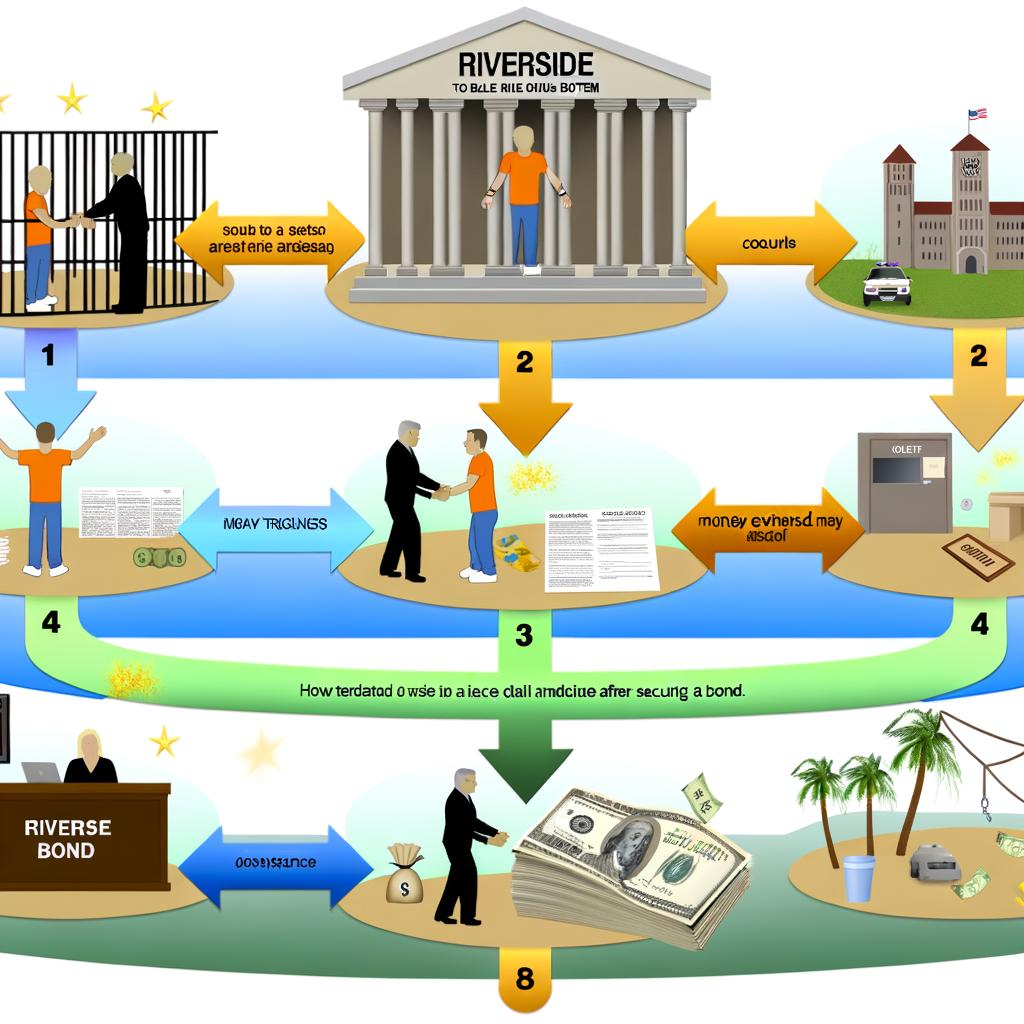
I encourage customers to start with the logistics: bills, car keys, papers, apparel, medicines, and youngsters's products. Prepare an one-time retrieval with police standby or with a neutral third party. Numerous divisions will certainly set up a short window, usually 15 to 30 minutes, to get fundamentals. If you require more time to sort personal papers, ask the court for an arranged visit managed by a neutral. For parenting concerns, look for a certain exchange strategy at a college, police headquarters, or supervised exchange facility. Unclear promises to "be civil" rarely encourage a judge; pinned-down times and areas do.
For digital accounts, change passwords and eliminate shared devices that might trigger incidental contact. Disable place sharing between phones. Switch off image sharing streams that could lead to remarks or likes. If you take care of family members schedules with a shared schedule, switch to a court-approved parenting application that logs messages, times, and read receipts. Those logs can later on show conformity and stay clear of rumor debates.
The role of counsel: timing, customizing, and modifications
Lawyers earn their keep by sequencing requests and by bargaining voids in between overlapping orders. If a civil short-term limiting order and a criminal no-contact order both exist, advice can ask the criminal court to adopt exemptions that match the civil court's momentary parenting strategy, or vice versa. Judges prefer interlocking regulations without any contradictions. When contradictions continue, the safer action is to follow the stricter terms till a modification is entered.
Modifications are possible, yet they require a clear factor and a track record of compliance. After several weeks without events, with validated counseling attendance and tidy alcohol examinations, counsel may ask the court to shift from no call to peaceful contact for child exchanges. Evidence of secure real estate, employment, and pretrial check-ins helps. Expect pushback if the underlying crime involved injuries, strangulation, tools, or duplicated cops calls.
When requesting modifications, specifics matter. Rather than requesting "authorization to text regarding the youngsters," request use of a certain parenting application, weekday exchanges at 6 p.m. at a repaired place, and holiday schedules based upon the existing household court order. Juries frequently allow slim carve-outs while leaving the wider no-contact policy intact.
How firearms and abandonment demands affect bail
In many jurisdictions, the mix of a residential fee and a safety order causes instant weapon restrictions. Some states mandate surrender within 24 to 48 hours and require proof submitted with the court. Disagreement is a frequent path to wardship. Do not rely upon casual guarantees such as "the weapons are with my sibling." Courts typically desire a receipt from law enforcement or a qualified dealership. If you hunt or have a collection, talk to advise about storage that adheres to local law. Bondsmen additionally take firearm issues seriously. A failing to surrender can trigger an abandonment of the bond.
Some orders include a restriction on ammunition and publications, not just guns. That issues during cops standby brows through. If there is a rifle instance under a bed or loosened rounds in a cabinet, officers might deal with that as an offense. Clear the space beforehand, ideally by having a qualified event secure items prior to you get here with police.
Working with the bondsman: what to reveal and what to document
Treat your bail bonds agent as a stakeholder with skin in the game. Shocks alarm them. If the court customizes a safety order, offer the documentation immediately. If pretrial solutions changes your reporting routine or adds conditions like SCRAM or GPS, share those updates. If an accidental experience happens, such as seeing the shielded person at a supermarket, educate your lawyer first, then expect to record the event if the bondsman asks. In my experience, companies like an honest phone call over a cops record touchdown on their workdesk later.
Documentation helps. Maintain a folder with court orders, evidence of therapy, attendance logs, GPS records, and any cops standby receipts. When a bail bondsman calls with concerns, response without delay and follow up with scanned documents. If you intend to relocate, obtain written authorization if needed by your bond contract. For out-of-county traveling, ask consent days in advance and provide information. Emergency situations occur, yet unauthorized travel checks out as trip risk.
When the safeguarded individual shares housing or children
Shared real estate is the hardest trouble. If your name is on the lease or home loan, a safety order can still prevent you from the home. The civil court can later on resolve economic duty, but the criminal court focuses on security now. Prepare for short-lived real estate prior to you bond out when possible. Couch-surfing can function short term, yet it usually increases the risk of missed out on check-ins and time limit violations. Juries respond better to a stable address with an accountable adult ready to sign an affidavit, particularly if alcohol or time limits are involved.
With youngsters, the household court's orders and the criminal court's orders must line up. If the criminal order says no call with the various other parent but is quiet concerning the youngsters, do not assume you can see the youngsters. Courts usually need exchanges via a 3rd party or a monitored facility. If you already have a parenting strategy, take it to the accusation via counsel and ask the court to acknowledge it by reference. Failing that, look for a prompt hearing in family court for a temporary plan that fits the safety order's limits.
The economics: what bonds and orders truly cost
Bail bonds are not simply the costs. Include electronic tracking charges, typically 8 to 15 bucks each day for standard GPS in lots of counties, though it can run greater in rural areas. SCRAM alcohol surveillance can set you back more, in some cases 10 to 15 dollars each day plus setup. Managed visitation centers bill hourly rates, commonly 40 to 80 bucks per hour. Parenting apps run a couple of bucks per month. Therapy or batterer treatment courses may be an once a week cost for several months. If you violate and the bond is withdrawed, you pay once again if a brand-new bond is granted. I have seen families spend a number of thousand bucks in the first sixty days when offenses multiply.
This is one reason numerous defense attorney promote nonmonetary launch where feasible. With a clean document, stable work, and a structured plan, judges sometimes accept launch to pretrial services with rigorous problems, saving the bail costs. On the various other hand, if the realities are serious, monetary bond plus intense guidance can be the bridge to launch. The better the strategy you bring to court, the much more choices you have.
Digital life and the evidence trail
Protective order situations live and pass away on digital impacts. Phones document place pings, photos consist of metadata, and clever doorbells time-stamp trespasses. Social media records comments and straight messages that events later on delete, only to see them resurface with screenshots or subpoenas. When you sign a bond, assume your electronic life is evidence. Switch off notifications from the protected person. Do not vent about the instance online. Ask family and friends not to mark you or reference the dispute. If you need a record of enabled interaction, adhere to a court-approved app that logs exchanges and stay clear of open platforms.
I have enjoyed cases collapse at hearings due to the fact that a defendant replied "ok" to a message and that solitary exchange broke the no-contact guideline. The offender believed a one-word reaction was neutral. The judge saw a knowing violation.
A practical list for remaining compliant
- Read the safety order and bond problems out loud with your attorney, line by line, and emphasize distances, exceptions, and target dates for surrender or registration in monitoring. Arrange instant logistics with a neutral: authorities standby for items, supervised exchanges for kids, and particular times and locations. Set up authorized communication networks, after that shut down all various other routes that touch the protected person, consisting of social media sites and shared cloud services. Report to pretrial solutions and your bail bondsman precisely as called for, maintain proof of participation, and interact modifications before they happen. Document any kind of unintentional experiences without involving, then notify advice without delay to be successful of records that might get to the court or bondsman.
When to combat the order and when to wait
Challenging a protective order is a critical call. In many cases, a civil order was issued ex lover parte, with mistakes in addresses or with extremely wide terms that need cutting. If there is a significant protection and the risks are high, a timely hearing can fix the document and produce a convenient plan. On the various other hand, a hearing can lock in statement that forms the criminal situation. If the truths are messy, advise may encourage postponing an opposed hearing, focusing on conformity, and looking for narrow modifications for youngster exchanges without reaching the merits.
Judges respect accuseds that reveal framework and restriction. Thirty to sixty days of clean monitoring, counseling registration, and steady real estate can be worth more than a thousand words of argument. When the court sees a performance history, ask for peaceful contact or restricted exemptions tend to discover a much better audience.
The bottom line for any individual weighing bond decisions
Posting bond is not just about the money. It is about taking on a set of rules that communicate with a protective order in ways that can either stabilize your instance or hinder it. The court sees bond as trust on credit score. The bondsman sees it as an organization danger. The safety order reframes your day-to-day live: where you sleep, how you connect, and what you lug in your car. When these systems overlap, precision beats improvisation.
If you remain in the middle of this, invest a couple of hours up front to map your routines versus the order's boundaries. Think through your routes to function, the food store you frequent, and the health club you utilize. If any kind of location coincides with a protected person's regular spots, select options. Quietly readjust your digital visibility and turn off courses that might trigger call. Work with your lawyer to harmonize orders across courts. Keep your bondsman notified so they do not learn news from a docket sheet.
The goal is not only to avoid jail. It is to reveal the judge, the prosecutor, and the bail bondsman that you can comply with rules in real time, even when troublesome. Do that well, and the path via the case gets less complicated, your alternatives increase, and the financial and psychological expense narrows. Fail at it, and the contrary takes place promptly. In my experience, the difference normally activates little daily options as opposed to grand gestures: a message unsent, a block used, a detour taken, a log maintained. Those are the behaviors that maintain bond undamaged and protective orders from ending up being traps.
ABBA Bail Bonds 900 Avila St STE 101 Los Angeles, CA 90012 (213) 296-0901 https://abbabailbonds.com