Getting a telephone call that a relative has actually been detained for DUI or dui has a way of cold the area. The clock begins to matter more than anything else, and the bond process moves faster than lots of people anticipate. I have actually rested at cooking area tables with moms and dads, companions, and pals who were attempting to make three choices at once: exactly how to get someone out, how to spend for it, and how to keep the situation from spiraling. This overview distills what actually happens, just how Bail Bonds operate in drunk driving and DWI instances, and what clever choices appear like in the first days after an arrest.
What a DUI or DWI arrest sets in motion
The first stage is the stop and apprehension. Policemans make a decision based on driving actions, field sobriety tests, and in the majority of jurisdictions, an initial breath test. The reservation series complies with routine actions: fingerprints, photos, a first testing, and placement in a holding cell. For a very first violation with no injury, the person might be launched on a citation and an assurance to show up. Yet many territories still call for bond for any damaged driving charge, and mostly all will for cases involving high blood alcohol concentration, a crash, previous convictions, minors in the lorry, or injuries.
After reservation, a magistrate or court sets bail. This can occur at a predetermined schedule or at a short hearing, frequently within 8 to two days. An initial offense without any aggravating aspects might bring bond in the range of a few hundred to a couple of thousand dollars. Include aggravation, and numbers climb up rapidly. Injury situations can push bail to 5 figures. If there was a casualty or a hit and run, a judge might reject bail entirely or establish a number designed to hold the defendant.
The objective of bail is basic in theory, yet simple to misunderstand. Bail is not punishment and not a fine. It is a conditional release, created to make certain the accused appears for court and abides by guidelines established by the court. Those policies vary by state and judge, however, for DUI and drunk driving they frequently consist of a no alcohol condition, arbitrary screening, ignition interlock installment, no driving without a legitimate certificate, and, in a lot more severe instances, GPS or SCRAM alcohol monitoring.
Cash bond, surety bonds, and the silent difference that matters
Families usually face 3 choices: money bond, guaranty bail, or an own-recognizance launch. The last one is simple, indicator and go, but it is not constantly supplied. Cash bond appears simple-- pay the sum total to the court clerk and receive it back at the end of the case if the defendant goes to all hearings and follows orders. The catch is liquidity. Not every household can tie up $5,000 or $20,000 for several months while the situation unfolds.
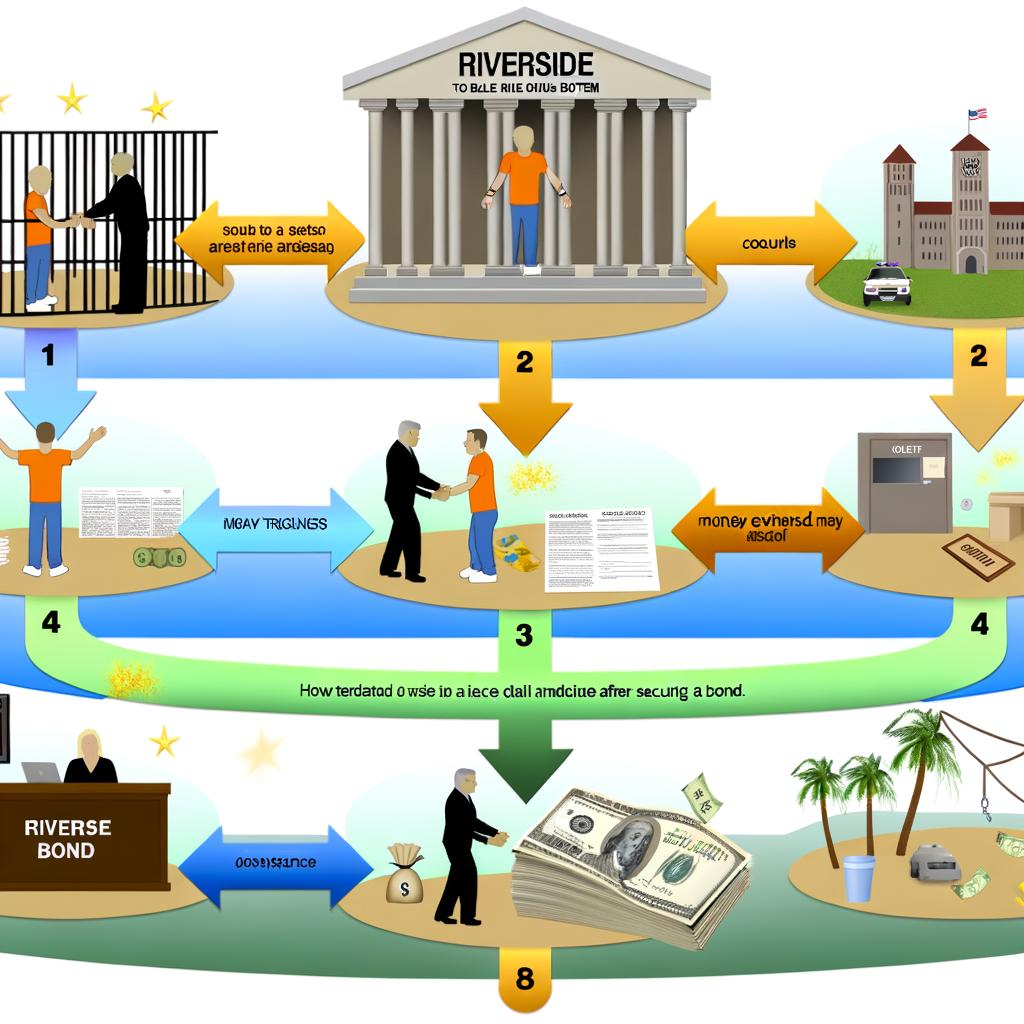
That is where Bail Bonds go into. A surety bond is an agreement among 3 celebrations: the court, a licensed bail bond representative, and a guaranty company that backs the agent. The representative articles a bond for the full bail quantity and fees you a costs, normally a set percent. In numerous states it is 10 percent. In a few, it varies from 8 to 15 percent. This costs is the representative's charge, not a down payment, and it does not come back at completion of the case. The representative might likewise call for collateral, particularly if bail is high or the offender has weak ties to the neighborhood. Security can be cash, a car title, or perhaps a lien on real property. When the situation closes-- termination, appeal, or verdict-- the bond is released, and security is released if there were no breaches.
The peaceful difference that matters is that holds the risk. With money bond, you put up the total and trust the accused to conform. With a guaranty bond, the representative and the guaranty shoulder that threat, and they value accordingly. The premium may really feel high, yet it commonly costs much less than touching retired life funds or interrupting financial savings in a fire drill. I have seen families spend ten days clambering to liquidate cash, only to discover that their local court would have released with a bond at a fraction of the in advance cost.
What courts weigh when establishing bond for drunk driving and DWI
Judges have 2 mandates: public safety and security and look in court. With damaged driving, public safety takes spotlight. The judge will think about the alcohol concentration, any prior document, whether an accident occurred, injuries, flight danger, connections to the area, work background, and compound use signs. A clean document, stable work, and neighborhood household can reduce bail or tilt the choice towards release with problems. A breath test 2 or 3 times the legal limit, or admissions of numerous drinks prior to driving, can tip it the other way.
In repeat-offense jurisdictions, the matrix can be unyielding. A 2nd or third offense within a ten-year home window commonly causes obligatory apprehension or preset higher bail. If a kid remained in the vehicle, anticipate a bump. If the permit was currently put on hold for a previous DUI, the court's patience wears thin. It aids to bring a plan to the opening night. That can be evidence of treatment intake, a letter from a company, or a dedication to install an ignition interlock. Judges do not require guarantees. They need something concrete.
How to move fast without making pricey mistakes
The biggest variable is time. Courts that work https://remingtonsghs811.iamarrows.com/how-to-plan-for-a-bond-hearing on a weekday timetable will certainly hold first appearances in the morning. If the arrest occurs on a Friday evening, you may not see a judge up until Monday. Some counties maintain weekend responsibility courts that can establish bail using video clip. The jail's launch procedure may take an additional one to 4 hours after bail is uploaded, in some cases longer if the center is crowded.
A gauged pace can still be quick. Gather the info that a bond representative or the court clerk will request for. That consists of the offender's full lawful name, reserving number, the precise charge, and the center. The jail's internet site usually notes this within a few hours. If you plan to use a bond, recognize who can act as an indemnitor, the individual who signs the contract and ensures the defendant's compliance. Lenders occasionally call this a co-signer, but in bail the lawful responsibility is wider. If the offender skips court, the indemnitor can be on the hook for costs.
Attorneys can help prior to the bond is uploaded. A good defense attorney will certainly recognize the local calendar and whether a court is likely to lower bail or change conditions at the first appearance. I have seen courts cut bond in half when a legal representative shows up with an ignition interlock visit for the next early morning and created verification of alcohol therapy. That kind of preparation signals seriousness.
Working with a bail bond agent the ideal way
Most bond offices answer telephone calls all the time and can meet you near the prison or deal with documents online. Request for the certificate number and verify the agent with the state regulatory authority. Good representatives explain the contract, the premium, collateral requirements, and your responsibilities in plain terms. They will certainly also describe what happens if the offender breaches conditions or misses court.
Beyond the costs, anticipate some fees, normally modest management costs for declaring and traveling. Review prior to you authorize. If the agency's contract includes an unclear investigative fee or a per-visit cost on the indemnitor, ask inquiries. Reputable agents do not conceal the rate. They will certainly also inform you what can minimize threat: validated residence, proof of work, treatment intake, and a contact prepare for court dates.
If collateral is called for, understand timelines for release. Security is returned after the court vindicates the bond in composing. That occurs when the instance settles. If the case is rejected or shut at a hearing, the bond exoneration might be prompt. If it ends with an appeal, exoneration can take a day or more while the court refines the documentation. Keep duplicates. I have actually assisted more than one client get security by strolling a stamped exoneration order back to a company that had not upgraded its file.
Court conditions and practical life while out on bail
A DUI or DWI case enforces a brand-new framework on life. If the court orders no alcohol, that condition is 24 hours a day, not just before driving. Random tests can take place via a probation department, a personal supplier, or a tracking tool. Incorrect positives are rare however possible. Maintain records and invoices. If you operate in a setting where alcohol exposure is regular-- restaurant, brewery, sales-- tell your lawyer instantly. There are means to customize problems while valuing the court's safety concern.
Ignition interlock devices include a learning curve. Expect installment fees and monthly costs that add up to $70 to $150 each month in lots of markets. Missed calibrations or a failed test can go against a bond problem. Maintain the supplier's hotline kept in your phone. If the car will be shared, ensure others who drive it recognize exactly how the tool functions. More than as soon as, a spouse or roomie has actually activated an offense because they did not understand the routine.
Out-of-state travel might be limited. Work travel can still be authorized, yet it needs to be asked for and documented. Judges sometimes permit minimal travel for family emergencies. Be proactive. Asking approval beats describing after the fact.
Financial preparation when a drunk driving hits a family budget
The costs on a bail bond is just the initial billing. There are towing and pen charges that can range from $150 to $600, and storage costs include daily till the automobile is launched. Attorney costs vary by area and complexity. A simple initial offense might cost $2,000 to $5,000 for depiction through appeal. An opposed case with motions and a jury test can go beyond $10,000. Add interlock charges, boosted insurance coverage costs, and time off benefit court and therapy, and the overall expense can stun anyone.
Planning issues. Identify what can be paid over time and what has to be paid currently. Most bond companies use payment plans, however not all do, and those that do may call for a deposit and regular installments. Missing out on repayments can stress the connection at the worst time. If family members is assisting, be honest regarding the scope, not simply the bond costs. I recommend customers to build an easy two-column sheet: instant prices in one, most likely next-90-days expenses in the other. It removes the fog and helps you avoid rash selections, like pawning a cars and truck title when a moderate time payment plan would certainly have sufficed.
When bail gets withdrawed and what to do next
Violations take place. A stopped working breath examination on an interlock, a missed check-in, or a new apprehension can trigger a motion to revoke bail. In some territories, the bond representative learns first. In others, the probation department or district attorney brings it to the court. If the judge revokes bail, a warrant concerns, and the offender can be reclaimed right into custody.
The response home window issues. If you think an offense, call your attorney before it snowballs. Volunteer look to attend to a violation reviews extremely in a different way than a bench warrant served at home. Sometimes the court will customize problems as opposed to withdraw bail totally. I have seen courts add a SCRAM bracelet for constant alcohol tracking or button to day-to-day coverage rather than abrogation, specifically on a very first mistake with candid description and evidence of compliance since.
For the indemnitor, an offense elevates genuine exposure. If the bond is waived, the guaranty might seek the total. Bond representatives prefer compliance over collections. Stay in touch, share updates, and show restorative actions. A paper trail assists: therapy attendance sheets, tidy test results after a failed one, or company letters showing stability.
Special scenarios that alter the calculus
Not all drunk driving and dui situations look the very same. Prescription medication DUIs are much more common than lots of recognize, and they can be tougher to safeguard because the science of impairment is nuanced. Courts still see them with a public safety lens. Bond can track alcohol DUI quantities, but conditions might concentrate on clinical oversight as opposed to alcohol monitoring.
Commercial vehicle drivers encounter different risks. A DUI puts a business motorist's license in danger, in some cases for a year on a very first crime. Bail amounts do not necessarily go higher for business motorists, yet the court might forbid any type of driving except for collaborate with rigorous proof. Employers may call for rapid notification. It assists to loop the company in early, particularly if the task involves safety-sensitive duties.
Accident instances with injuries change everything. District attorneys may include costs like assault or automobile injury enhancements that carry mandatory minimums. Bond leaps as necessary. Juries typically condition release on no driving at all until additional order, surrender of the permit, and strict surveillance. If a fatality is entailed, anticipate either very high bail or detention. In those instances, an attorney's role at the first appearance is vital, both to argue problems and to ensure statements are not made that jeopardize the defense.
What a sensible timeline resembles, from apprehension to resolution
An opening night happens within a day or 2 in most places. Accusation complies with, occasionally the exact same day, or within one to three weeks. Pretrial conferences commonly start within a month or more. If you deal with the instance, activities on problems like possible reason, breath examination admissibility, or field sobriety integrity can take a number of months. Trial might not take place for six to twelve months, depending on court congestion.
During this time, compliance constructs credibility. Juries keep in mind accuseds who show up early, surface assessments ahead of routine, and bring evidence of counseling unprompted. In plea arrangements, district attorneys consider threat and reduction. A spotless compliance document under bond makes a distinction, especially for borderline instances. I have actually seen deals enhance after numerous months of tidy surveillance. It is not movie theater. It is concrete proof that the risk of reoffending is low.
Using pretrial solutions and therapy to your advantage
Many courts operate pretrial solutions that manage offenders in the community. Think about it as a lighter variation of probation with a concentrate on court look and safety. Check-ins might be once a week initially, after that taper to monthly. Random screening can take place. While it includes structure, it can also result in minimized bail, or in some cases, launch with no money on the line. Judges depend on systems they know.
Voluntary treatment is not an admission of guilt. It is recommendation that the event subjected threat. A trustworthy alcohol or substance use examination creates a plan. Completing a quick training course, going to conferences, or signing up in a much longer program, if warranted, gives your lawyer leverage and offers the court confidence. For high BAC cases or second offenses, judges typically inquire about therapy before you do. Getting there first signals maturity.
How Bail Bonds compare to alternatives
Some jurisdictions are moving toward risk-based launch systems. As opposed to cash bond, they use a verified device that forecasts failing to show up and re-arrest danger, then tailor conditions. Where that exists, an offender with strong connections and a low rating may be launched without paying, under problems like no alcohol and check-ins. Where the cash system continues to be, a surety bond is the lever that opens the door.
Families in some cases ask about posting building bonds straight with the court. That can function, yet it moves gradually. Courts require appraisals, title reports, and equity evidence. If time is the top priority, residential property bonds hardly ever defeated a surety bond's rate. Another choice is a partial money deposit if the territory enables it, where you pay, say, 10 percent to the court and obtain it back at the end. This can be less expensive than a bond due to the fact that the down payment is refundable, yet not all courts offer it, and you must still browse the court's management steps.
A short, functional checklist for publishing bond on a DUI or DWI
- Gather essentials: complete legal name, scheduling number, charge, center, and bond amount. Call a qualified bond representative or the notary to confirm choices and costs. Identify the indemnitor and collateral, if any type of, and prepare evidence of work and residence. Coordinate with a defense lawyer to deal with bail conditions and prepare for the very first appearance. Set up immediate conformity steps, such as interlock installation or treatment intake, and keep documentation.
What accountable indemnitors do after release
Signing for a Bail Bond is greater than a repayment. It is a dedication to shepherd a person with the court procedure. The indemnitor ought to track court dates, enhance conformity with conditions, and remain in touch with the bond agent. That does not suggest playing police in your home. It implies taking the calendar seriously. Put hearing days in 3 areas, set tips, and arrange transportation early, specifically if driving is limited. I have enjoyed cases totter since a bus transfer stopped working. Plan a backup.
Communication prevents numerous difficulties. If the defendant changes address or telephone number, inform the agent and the lawyer within 24-hour. If an examination is missed out on, call promptly and reschedule. If a tool malfunctions, document it. Courts have little perseverance for silence, and representatives have tools they will certainly utilize, consisting of surrender, if they believe a defendant is slipping away from compliance.
Common misconceptions worth removing up
People usually think bail equates to regret in the public eye. Legally, it does not, and judges are specific concerning that. Bail has to do with appearance and safety. Another misconception is that paying a premium to a bail agent assures a far better case result. It does not. It only attends to pretrial release. The case's outcome relies on realities, legislation, and strategy.
A 3rd misconception: failure to show up just delays the situation. In reality, a missed out on court date can cause a warrant, bond forfeiture, and new fees. Cleaning a warrant later is feasible, but it makes settlement more difficult and stress reliability. Finally, some presume ignition interlock equates to authorization to drive anywhere. In numerous areas, you must also have a limited certificate or a short-term license. Without that, interlock alone is not a shield against a driving while put on hold charge.
A word on dignity and the lengthy view
The legal system sell policies and orders, yet DUI and drunk driving cases are still human tales. Individuals who rarely break a regulation often make a collection of poor decisions in a solitary evening. Others are battling with dependency and need a program more than a lecture. The bond choice is the initial judgment phone call, and it comes with a cost. Use it to purchase time, not to postpone fact. If alcohol or medications are part of the picture, lean into help, not simply compliance. Courts notice the difference.
From a totally functional point of view, the most intelligent offenders treat bail as an agreement they intend to recognize totally. They request for a clear listing of problems. They established transportation. They check when asked, even when it is troublesome. They document every little thing. Those routines make the bond representative comfortable, comfort the court, and arm the protection. And if there is a relapse or misstep, they appear it early as opposed to concealing it.
Final assistance for families and defendants
DUI and DWI situations have a way of pressing facility decisions into a long weekend. You can still make audio selections. Verify the facts, select between cash money and a surety bond with eyes open, and straighten with a defense attorney early. If you use Bail Bonds, select a certified agent that is transparent regarding rate and expectations. Begin conformity on the first day, not day thirty. Shield your budget by mapping costs and utilizing layaway plan thoughtfully.

Above all, keep the main goal in view: risk-free, trustworthy look in court with no brand-new offenses. Do that, and bail becomes what it is implied to be, a temporary bridge from an apprehension to a fair resolution, not a 2nd penalty that drags on for months.