Getting the phone call that an enjoyed one has actually been jailed far from home is an intestine punch. Distance amplifies uncertainty. The regulations shift by state, and what would certainly be regular in your area can transform sticky 3 states away. I have actually worked with family members trying to publish bond throughout jurisdictions, and the two constants I see are confusion and lost time. Both are preventable if you recognize exactly how out-of-state bail works, who to call, and what risks to sidestep.
This overview breaks down the relocating parts: the sorts of Bail Bonds used for interstate apprehensions, where the barriers show up, and how to relocate with objective so you do not squander a weekend or a paycheck waiting on preventable delays.
Why an out-of-state arrest is different
Bail stays in state legislation, not government. Each state establishes its very own rules for how bail amounts are set, the types of safety and security permitted, what counts as a fugitive threat, and the authority needed to approve settlement or a bond. The outcome is a jumble. 2 states can look comparable theoretically, yet one needs a regional bail bondsman to literally show up in court while the other allows electronic filing through an area portal. One county approves settlement by phone throughout service hours, the following insists the payer stand at a window with recognition. That is before you add weekend break calendars, regional vacations, or restricted team at rural prisons after 5 p.m.
The 2nd issue is jurisdiction. The instance lives where the apprehension took place, also if the person lives elsewhere. That suggests court days, check-ins, and bond conditions will be imposed by that state's court. If the charge sprang from a warrant released in yet one more state, you currently have 2 courts in play: the apprehending state making a decision whether to hold for extradition, and the releasing state waiting to obtain the person or the bond.
Finally, enforcement threats boost. Courts and bondsmen get cautious when a defendant must travel thousands of miles to appear. Anticipate tighter problems, greater bail in some cases, and a lot more scrutiny of the individual who signs as indemnitor.
The core gamers and what they actually do
Three workplaces regulate the pace of the process: the jail, the notary, and the bail https://telegra.ph/How-to-Secure-Your-Properties-When-Uploading-Bond-02-17 bondsman or the court's cashier window.
The prison regulates accessibility and booking. Till the apprehension is refined and an instance number is created, nobody can upload. If it is a Friday evening in a hectic region, reservation can take 6 to 12 hours. Smaller centers may relocate faster.
The court, with a court or magistrate, sets bail. Some states have bail routines that enable publishing quickly for typical charges. Others call for an opening night, typically the next business day, to set or confirm bail. Weekends and holidays can stretch that wait.
Bondsmen bridge the space when you can not or should not upload cash. A qualified guaranty agent creates a Bond Bond assuring the accused's appearance. For out-of-state situations, you commonly require a bondsman accredited in the state of arrest, and you might likewise collaborate with a local bail bondsman that partners throughout state lines. Big surety firms preserve networks so paperwork travels faster than you can.
You likewise have a fourth, usually neglected player, the lawyer. For out-of-state apprehensions, guidance can push for a quicker hearing, say for lower bond, or discuss release without bond on supervised problems. A short lawyer phone call can conserve you thousands or an extra evening in custody.
Bail alternatives when the apprehension is far from home
Cash bond is tidy yet not constantly practical. If the quantity is moderate and the court accepts credit rating or bank transfer, money obtains the individual out without a 3rd party attached. The risk is liquidity. Money bond bind funds until the situation closes, which can be months to a year. If the offender misses court, the money can be surrendered in whole or in part.
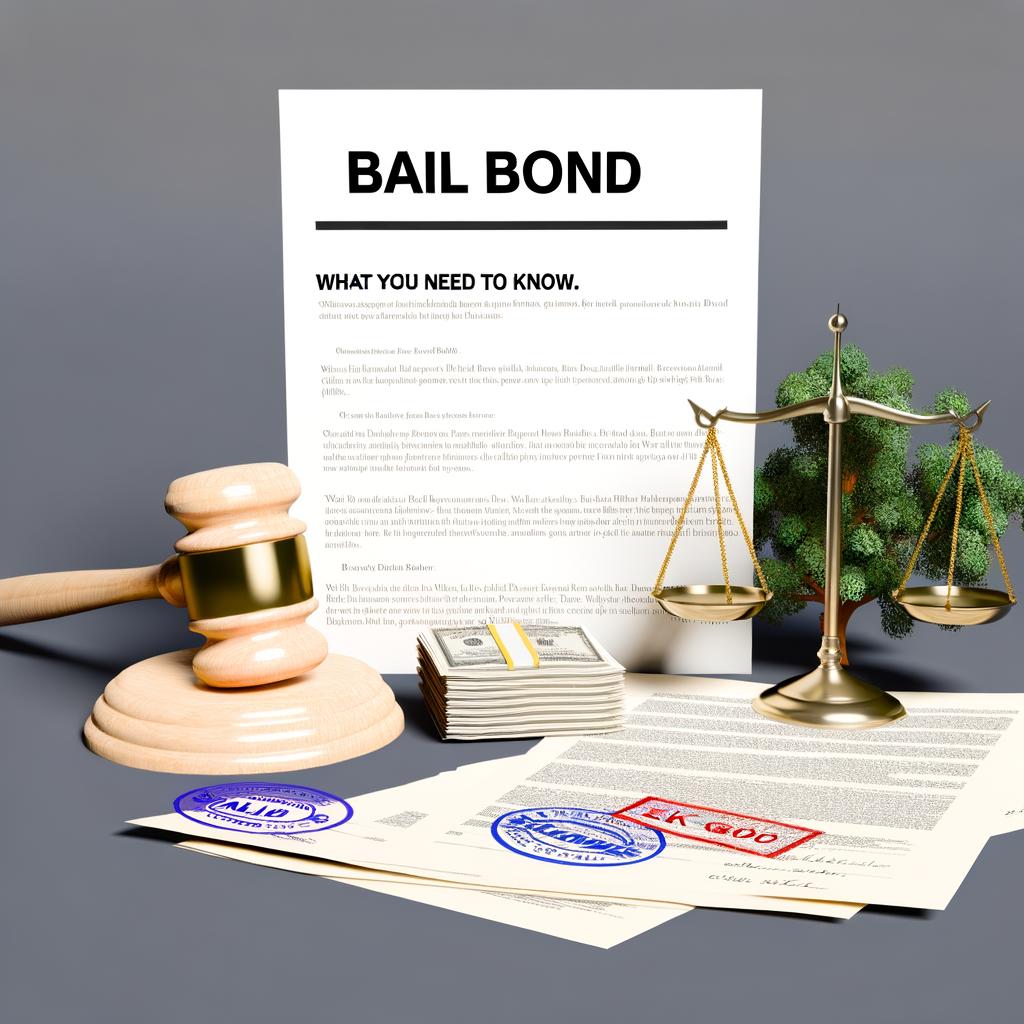
Surety bail through a bail bondsman trades a nonrefundable costs for speed and versatility. The common costs runs 8 to 15 percent of the bond, relying on state guideline. Some states deal with the price. Others allow bargained costs based on risk, prior history, and collateral. For example, a $20,000 bond could cost a $2,000 costs in a 10 percent state, plus fees for out-of-state processing. The bond stays in position until the court exonerates it at the end of the case or earlier if the judge orders a modification.
Property and hybrid bonds exist yet are less common for out-of-state circumstances. Some courts accept a guaranteed passion in real property or a mix of money and surety. Residential or commercial property bonds can be sluggish, since they need title work and court approval. If time issues, they are typically a bad fit.
Recognizance launches, in some cases with supervision, can happen even for out-of-state citizens, especially on low-level charges with stable work and neighborhood ties. The court has broad discernment. A letter from a company or evidence of home can help, however without a lawyer pushing the situation, OR launch across state lines is less common.
The detailed process with real-world timing
The steps are foreseeable, but the clock varies with the region and the day of the week. If you desire a structure that on a regular basis reduces the challenge, follow this series and prevent side quests.
- Verify the hold and the bail standing prior to you call a bail bondsman. Ask the prison for the scheduling number, fees, bond amount, and whether a detainer or out-of-county warrant exists. Decide promptly between money and surety based on the quantity, repayment choices, and timing. If the individual has court in the early morning, occasionally waiting on the hearing yields a lower bail. Choose a bail bondsman licensed in the apprehending state, preferably one with a partner near you. Verify complete price, required records, and expected uploading window. Sign documents and deliver repayment and security. Request for copies of the bond application, indemnity contract, and a receipt with the bond number. Monitor release and gather the release order. Share the court day, problems, and any kind of travel or reporting requirements with the offender that very same day.
If you do those 5 things in order, you minimize surprises. The worst hold-ups I see originated from step one, when a family blog posts a bond only to find out there is a no‑bail probation hold from one more county or a government detainer. The bond then rests, the person remains in custodianship, and you need to unwind the transaction.
On a normal weekday in a medium-size area, you can move from scheduling to release in 8 to 18 hours if bail is predetermined and there are no holds. Include a first appearance requirement and you could be at 24 to 48 hours. Weekends can add another day.
How out-of-state guaranty really gets written
Most national surety firms operate under a network design. A local agent in your state takes the application and payment, but the bond needs to be performed by a qualified agent in the jailing state. That can occur 2 methods. Some companies have multi-state licenses for the exact same representative, enabling them to compose and submit electronically. Regularly, the regional representative forwards your paperwork to a partner in the other state who strolls it right into the jail or files it with the court.
Expect to submit recognition, proof of earnings, and references for the indemnitor, together with basic information concerning the accused. If the costs is big or the threat profile is high, the bail bondsman might require collateral. Collateral can be cash in a separate escrow, a tape-recorded lien on a lorry, or a deed of trust on real property. For out-of-state collateral, bail bondsman support liquid properties because improving an out-of-state lien takes some time and adds lawful cost.
Ask two sensible concerns before you devote: what time will the bond be published, and what happens if a surprise hold stops launch. Reputable representatives will inform you whether they bill an uploading fee despite outcome, or whether they will certainly relax the bond if the court refuses to launch because of a detainer.
Special circumstances that complicate the clock
Extradition instances deserve their own paragraph. If your loved one was arrested in State A on a warrant provided by State B, the choice tree starts with fugitive treatments. State A can hold without regional bond if the warrant from State B is verified and noted as extraditable. In some states, you can still post a local bond pending an extradition hearing, but numerous counties refuse to launch till State B takes safekeeping. If the warrant is significant no extradition, State A might release after regional costs are resolved, but State B can later on edition the warrant. You want a legal representative coordinating across both states for those calls.
Probation or parole holds are an additional constant shock. A judge can establish bond on new fees, but the overseeing department might position a hold that blocks release. The prison does not always understand about the hold up until later while doing so. If the apprehending police officer flagged it at booking, you will see it early. If not, you might find out about it when the bondsman tries to upload and the prison refuses. A fast call to the monitoring office can clarify.
Immigration detainers alter the calculus. An individual may be launched on the criminal instance yet promptly transferred to government wardship. Posting criminal bond in that situation might still make sense, for calculated reasons, however you do not obtain physical release to the street. Get migration counsel involved prior to you spend.
Mental wellness holds can likewise interfere. If the prison flags a risk, it may route the person to a medical facility or an unique system, delaying release. The bond can be in position, but the launch can not occur up until the psychological health and wellness clearance arrives.
Setting expectations about money
Fees are not standardized past state caps on costs prices. Even in capped states, out-of-state posting can include service charges: courier charges, jail costs, bank card handling, and file preparation. I see overall attachments vary from $75 to $350 on mid-size bonds, greater in big cities with 24/7 posting services.
Collateral terms vary dramatically by threat. An accused with a steady job, no previous failures to show up, and a neighboring house might publish a $15,000 bond with a 10 percent premium and no collateral. Shift the realities to an individual that lives 800 miles away with a previous missed out on court date, and the bondsman may request the premium plus 50 percent security, or need a local co-signer with solid income.
Refunds and returns adhere to a simple rule. Costs is a cost for the threat and is almost always nonrefundable once the bond is accepted. Collateral is returned after the court vindicates the bond. That occurs when the case finishes or when the court orders exoneration. Ask the bondsman for a written timeline and the precise trigger for returning collateral. I have seen collateral sit for weeks due to the fact that the court minute order did not make its way to the guaranty's administrative office.
If you can manage cash money bail, the economic compromise is tying up money but preventing costs and fees. You also prevent the bail bondsman's personal problems, which can include check-ins or grant property searches. On the various other hand, cash bail is at risk of forfeit if the defendant misses out on court. Courts can pay some or all of a loss later on, however that procedure takes months and requires a clean explanation.
Coordinating traveling and court appearances
Out-of-state offenders live under a microscopic lense. Courts anticipate dependability, and bail bondsmans need it. Deal with the first 1 month like a compliance sprint. Get a schedule in writing from the clerk or your lawyer, not from a spoken pledge. Watch for rule-based due dates, such as accusation within a set number of days or initial hearing windows. Missing out on any one of these can cause prompt bond loss or a bench warrant.
Travel logistics matter. Airline companies cancel flights, weather shuts passes, and last-minute itineraries set you back triple. Strategy to get here the night prior to any kind of hearing, not the early morning of. Keep evidence of travel, due to the fact that if a delay takes place, guidance can reveal persistance and in some cases encourage the court to reset as opposed to issue a warrant.
Remote looks are growing but stay inconsistent. Some courts permit video looks for early settings, specifically post-pandemic. Others demand physical presence for anything past a condition check. Your lawyer will recognize the regional preference. Do not assume Zoom is a choice just because another county enabled it.
If the bond requires check-ins, conform exactly. Several bondsmen make use of automated systems now, with geolocation pings or app-based check-ins. Fail 2 straight, and a diligent bondsman will call. Fail 3, and they might relocate to surrender the bond.
Working clever with a neighborhood attorney
Out-of-state cases award very early counsel. A short phone call can get you answers just a person that shows up because court each week would certainly know. As an example: does this judge approve verified work letters to decrease bail, does the jail post bonds overnight, and does the clerk approve emailed attorney notices for speedy opening nights. These little truths cut hours off the process.
A local lawyer can likewise discuss options to high bond. On misdemeanors, judges sometimes accept monitored release with conditions like regular check-ins, a pledge to appear, and take a trip pre-approval. On felonies, guidance might protect a decrease by showing solid community incorporate the home state with the defendant's authorized agreement to show up at each setup. A certain discussion with paperwork issues greater than a generic plea.
Retainers differ. For limited-scope bail hearings, I have seen fees from a few hundred dollars to a couple of thousand, depending upon seriousness and necessity. If the instance calls for broader representation, anticipate a different interaction. Do not let expense aversion cost you days in custody. The marginal savings on a premium or a minor bail decrease commonly more than cover a concentrated lawyer's fee.

Communication with the person in custody
The person being in jail resides on reports. You can reduce the sound. Share clear, constant updates: whether bond is set, whether a bail bondsman is involved, and when posting will certainly happen. If a first appearance is coming, inform them what to expect: a video screen, a short discussion, not a test. Urge them to keep one's cool and stay clear of statements concerning the instance on tape-recorded jail lines.
If they have clinical demands, ask the jail how to flag them. If they need to preserve work, collect a letter from the employer recognizing the situation. Judges are much more receptive to release when a work goes to stake and the employer confirms availability.
Edge cases worth anticipating
Two groups of costs frequently trigger greater bond across state lines: offenses with regarded flight motivations, and situations with statutory minimums that indicate prison direct exposure. In a burglary case with reduced direct exposure, a court may accept lighter conditions. In a medicine trafficking instance with an obligatory minimum, anticipate the opposite. Prior failings to appear lug outsized weight. I have seen a single missed arraignment from years back double a bail amount when the person currently endures of state.
If the apprehension comes from a bench warrant for a missed out on court day in another state, consider the wisdom of self-surrender. Often the fastest path is to fly to the providing state, show up with counsel, and solve the warrant easily. Publishing a local bond where you were arrested may simply start an extradition process that holds you longer.
For students and military solution members, documents aids. A copy of registration, course timetable, or orders can convince a judge that travel is convenient which the individual has taken care of responsibilities in your home. For vehicle vehicle drivers and contractors, be sensible. A court may condition launch on a traveling log or restriction out-of-state travel. Build those terms into your job routine as opposed to wagering you can get them changed later.
Practical paperwork you should collect early
- Government ID for the indemnitor and the accused, plus proof of address for the indemnitor such as an energy costs or lease. Income confirmation for the indemnitor, such as recent pay stubs or income tax return, to please the bondsman's underwriting. Contact details for 3 referrals who can get to the defendant quickly. Any court documentation readily available, consisting of the case number, charging files, or prior appearance notices if a warrant is involved. Proof of work or registration for the accused to sustain arguments for lower bail or travel permission.
Have those prepared in digital type. Out-of-state publishing often turns on whether you can send a tidy PDF in mins instead of hunting a scanner at midnight.
Managing risk as an indemnitor
Signing for a Bond Bond is a financial commitment that outlives the panic of the apprehension night. If the offender fails to show up, you get on the hook up to the full bond quantity, plus recuperation expenses. Bondsmen hardly ever thrill to confiscate security after a solitary missed out on hearing, because courts allow reinstatement if the accused appears quickly. Yet if the individual goes away, the surety will work with recovery representatives, and costs place. I have actually seen indemnitors owe thousands in traveling and recuperation prices also when the bond itself was ultimately exonerated.
Set boundaries. If you authorize, make it clear to the defendant what compliance resembles: travel plans shared in advancement, reminders prior to court, and instant call if something fails. If you pick up unreliability, take into consideration co-indemnitors to spread threat or decrease to sign. Bondsmen accept or deny offers everyday based on the strength of indemnitors. You are permitted to state no.
Common blunders that set you back time and money
People shed the most time by attempting to publish before they verify holds. A close secondly is waiting for a "friend of a friend" bondsman that does not have a permit in the apprehension state. The third is assuming the court takes credit cards at any kind of hour. Numerous regions still need in-person cash or cashier's checks for money bond, with minimal hours.
Another regular error is assuring the court that traveling is simple without a plan. When the court senses uncertainty, it tightens problems or raises bail. Program trip confirmations or a schedule of travel if asked. Juries respond to specifics.
Families also ignore how much time it requires to release after uploading. The bond can be approved at 2 p.m., but a prison may require hours to process the release. Calling every 15 minutes does not help. Ask the bail bondsman for the common home window at that center. In some huge city jails, 4 to eight hours post-acceptance is normal.
The human side
Behind the laws and fees, there is a family members attempting to bring a person home and a court attempting to make sure looks. You will certainly make much better decisions if you reduce enough time to confirm realities, then move emphatically. I remember a mother that practically wired $7,500 to a bondsman late on a Sunday night after her kid's arrest on a probation violation three states away. A five-minute contact the prison confirmed a no-bail hold. She conserved the cash, hired a neighborhood attorney Monday morning, and the court released him on monitored conditions 2 days later with no bond. A different situation involved a professional jailed while taking a trip for job. His spouse gathered pay stubs, work agreements, and trip records revealing normal month-to-month trips. The court reduced bail from $50,000 to $20,000, and the bondsman accepted a lower collateral percentage. Preparation altered the outcome.
Final notes for consistent navigation
Out-of-state bond moves at the rate of local procedure. You can not manage that, however you can regulate your preparedness and your sequence. Verify, decide money or surety, work with in your area connected aid, indication clean documentation, and maintain the accused on a short compliance leash. Regard the differences in between states and counties as opposed to battling them. And keep in mind, the goal is not simply launch, it is a smooth course through the court dates to bond exoneration without monetary scars.
If you maintain that framework, the distance comes to be a detail as opposed to an obstacle, and the system, for all its peculiarities, comes to be navigable. Bail Bonds can be a helpful device when made use of attentively, specifically throughout state lines where time, clarity, and excellent companions matter most.
ABBA Bail Bonds 900 Avila St STE 101 Los Angeles, CA 90012 (213) 296-0901 https://abbabailbonds.com