Bail is a guarantee backed by cash and the court's depend on. When that depend on breaks, the effects move swiftly and can be extreme. Attorneys, bondsmen, offenders, and families usually concentrate on securing release, but what happens after release is just as important. Revocation is not an abstract risk. It is the court's power to reel someone back in, to surrender monetary assurances, and to reset the situation on harder terms. I have seen accuseds restore unsteady circumstances with truthful interaction and timely training course improvement, and I have actually watched instances unwind due to the fact that a missed call spiraled right into a bench warrant. The line between those outcomes is thinner than lots of people realize.
What abrogation truly means
When a court withdraws bond, it cancels the permission that allowed the offender to continue to be in the community while the case earnings. Revocation can be partial or total. Occasionally the court merely tightens up problems - for example, relocating an individual from unsafe launch to a protected bond, or adding an ankle joint display, curfew, or treatment need. Other times, the court orders the offender right into custody until test. In any case, the original release terms are no longer in effect.
Financially, retraction puts the underlying bond in danger. If a family uploaded money, that cash can be waived. If a guaranty bond was used, the Bail Bonds firm becomes liable to the court and will certainly take hostile actions to find and give up the accused. An individual out on bond has two overlapping sets of commitments: those owed to the court, and those owed to the bondsman. Breaking either can activate abrogation, though the systems differ.
How revocation starts
The path to abrogation normally begins with a trigger: a missed court day, an offense report from pretrial solutions, a favorable drug test, new criminal fees, or nonpayment to the bail bondsman. Judges can also act on their very own if facts emerge revealing the offender is riskier than originally thought. The documentation differs by jurisdiction, yet the typical circulation is familiar.

A bench warrant issues after a failure to appear. The staff may send by mail notice of the missed date and set a new hearing, however numerous courts relocate right to a warrant. For technical violations short of a no-show, the pretrial officer or prosecutor will send a record and request a hearing to change or revoke bond. Some courts will certainly hold a brief hearing with statement from the officer and a protection proffer. Others will certainly detain first, kind details later.
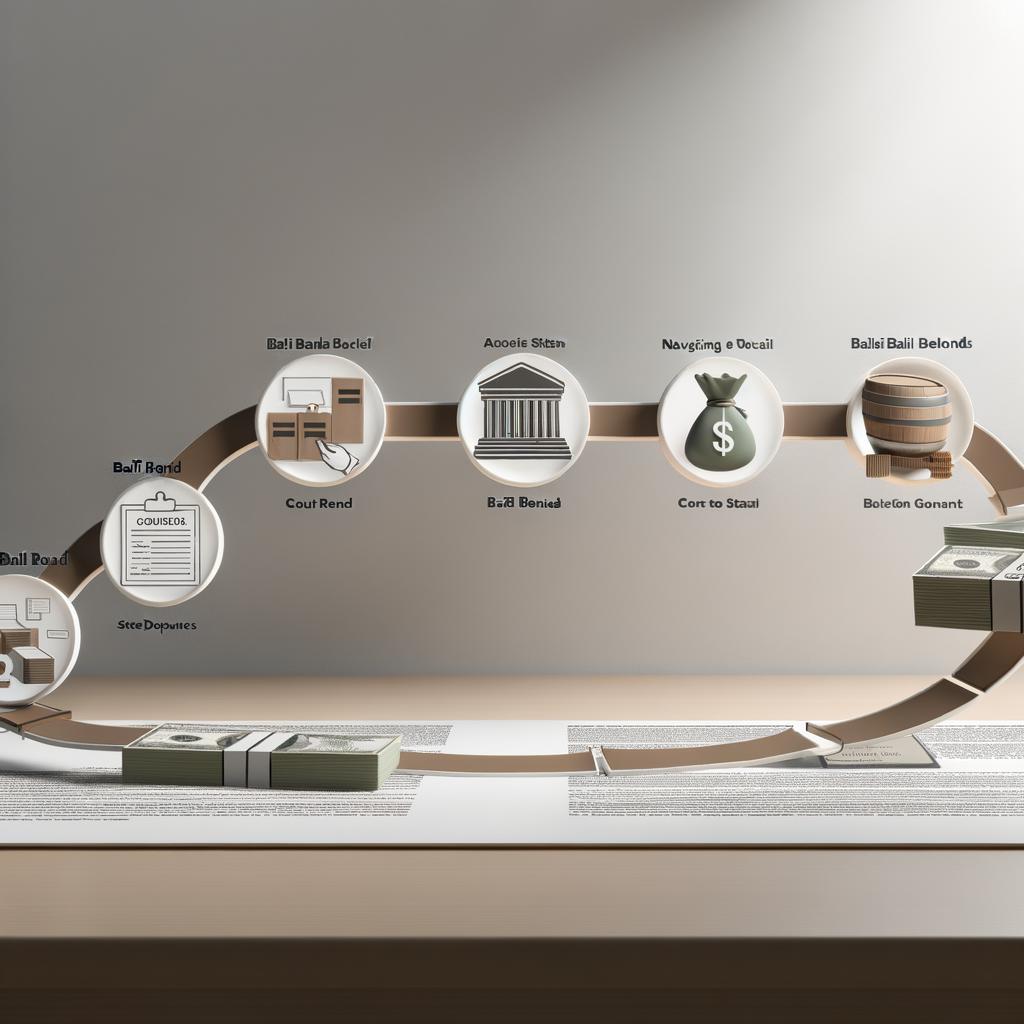
For those on guaranty bonds, the bail bondsman has an independent option: abandonment. If the bondsman believes the danger is no more acceptable, the company can give up the accused and ask to be launched from the bond. Common reasons consist of repeated missed out on check-ins with the firm, misinformation on the bond application, a brand-new arrest, or a significant adjustment in scenarios like an offender losing real estate, giving up a task without informing anyone, or discussing flight. Surrender does not need a violation in the eyes of the court, only a loss of confidence in the eyes of the surety.
Common causes, and why they trip people up
Missed hearings control. Court calendars are ruthless, and the causal sequence of a failure to show up can be brutal. Even a single missed accusation can double the bond, produce a warrant, and solidify a court's view of the accused's integrity. The factors are usually mundane: the notice mosted likely to an old address, a trip failed, a person confused a pretrial check-in with a court date. The court expects grownups to validate dates and to call if there is a problem. A 2 minute telephone call before the docket begins is frequently the distinction in between preserving launch and investing the evening in a holding cell.
Drug and alcohol violations are a close second. If a condition restricts use or calls for treatment, a filthy test becomes an integrity test. Judges approach these instances in a different way. Some see relapses as part of healing and readjust problems towards more framework. Others watch duplicated positives as defiance and withdraw outright. Context matters. A recorded therapy plan, honest admission, and a quick step right into care evaluate much heavier than excuses.
New criminal fees are the third large container. A new apprehension signals the danger of ongoing misbehavior, which is the core problem of bail decisions. Even if the brand-new case is small, a fresh fee recommends the defendant did not take the court's count on seriously. The action depends on the nature of the new claims, the timeline, and the offender's habits given that the original release.
Hidden formalities also activate revocation. Not reporting police call within 24 hr, missing curfew by two hours, traveling outside the area without consent, or tampering with an ankle joint screen may look tiny to a layperson yet lug outsized weight because they link guidance stability. Pretrial services lives on predictability. If the system can not depend on the individual to follow basic policies, the logic goes, it can not depend on the person to appear for trial.
Finally, settlement problems with Bail Bonds firms develop their own lane to abrogation. Bondsmen are not lenders of last resource. They run threat portfolios. If premiums or security agreements fall apart, numerous will give a brief moratorium, after that transfer to surrender. Households usually presume the bondsman will negotiate indefinitely. That is an error. A missed weekly settlement coupled with unreturned calls is the fastest way to an abandonment request.
What courts look at when determining to revoke
Judges are not thinking. They analyze recognizable variables: the severity of the original cost, the stamina of the proof, the accused's criminal history and prior efficiency on guidance, the stability of real estate and employment, the existence of an accountable custodian, and the specifics of the alleged violation. They additionally weigh the least limiting ways common installed in the majority of bail laws, which pushes courts to adjust conditions before withdrawing totally if a narrower fix can take care of the risk.
Timing issues. An offense in the very first week after launch looks different than an offense six months into effective conformity. Initiative matters, too. If a defendant misses out on a test however arrives the following early morning on their own, that gesture carries weight. I have viewed a court yield after an offender revealed a proof: a bus break down, a manager's note verifying a shift modification, screenshots of contact us to the pretrial workplace. The distinction was paperwork, not theatrics.
The hearing that decides your fate
Revocation hearings are brief, concentrated, and adversarial. The prosecutor or pretrial police officer sets out the infraction. Defense attorney reacts with context, reduction, and a plan. The court might ask direct inquiries of the accused, which can be a catch if the underlying instance is delicate. Good attorneys prepare their clients to respond to narrowly on compliance while avoiding admissions that might hurt the defense.
Evidence standards are less than at test. Rumor often comes in. A lab record can be sent without calling the specialist. A pretrial police officer can summarize missed visits from firm notes. That looser requirement is why defense counsel must do greater than reject. Recommend choices. Deal concrete changes that bring back self-confidence. Instances that often tend to land: a therapy bed readily available this mid-day, the aunt in the second row accepting work as a 3rd party custodian, a letter from a company revealing the need for the defendant on a specific timetable, or an updated GPS check with daily in-person check-ins.
The bondsman's viewpoint, and exactly how it converges with the court
Bail Bonds business separate the court's need for guarantee and the family members's demand for release. Their threat versions consider cost seriousness, prior failings to show up, range from the courthouse, capacity to verify identification and house, and the top quality of indemnitors. When a customer begins to wobble, the bail bondsman has tools short of surrender: boosted contact, calling for added security, or adding a co-signer. Give up is the last step.
Once a bondsman surrenders an accused, the company asks the court to pardon the bond. Courts generally provide that request unless they think the abandonment remained https://brooksuhla686.theglensecret.com/comprehending-bond-schedules-and-just-how-they-impact-bonds in breach of contract or made to dodge a looming forfeiture. From a defendant's perspective, surrender shuts one door however not all. A judge may still establish a new bond, often higher, often the exact same with extra problems. If the partnership with the initial bondsman is damaged, the family members may have to discover a new guaranty or post cash.
I have seen households recover bonds by connecting early and usually with the bail bondsman. An honest telephone call about a job loss and a strategy to bring in a brand-new co-signer with constant income can keep the company comfortable. Silence develops anxiety, and fear develops surrender.
The financial fallout: forfeit, fees, and collateral
When an accused stops working to appear, the court usually provides a forfeiture order against the bond amount. This is not always completion of the tale. Many territories enable a moratorium, typically 30 to 90 days, for the accused to be produced. If the individual go back to court within that home window, the court can set aside the forfeit or pay a section, sometimes with costs subtracted. Bondsmen know these timelines by heart and will move promptly to situate the offender to prevent a disastrous payout.

For households that uploaded cash money, the danger is straight. A $10,000 cash money bond can come to be a $10,000 loss if the loss stands. Courts in some cases pay part of the forfeit if the individual returns promptly, but that is optional. For those that used a surety bond, the ahead of time premium is nonrefundable, and collateral is at risk if the company pays the court and seeks repayment. Collateral can be real property, automobiles, or even asserts versus savings account. The documentation signed on day one issues. I have rested with customers that did not review the condition authorizing sale of security upon default. The agency was within its civil liberties, and the household had no take advantage of left.
Other monetary hits comply with retraction. New bond costs stack in addition to old ones. Digital surveillance charges continue also if the device is cut off in offense. Missed work, child care prices, and transportation for new court dates build up. This is why every missed conference and late payment matters. The math obtains hideous fast.
Practical paths to prevent revocation
Avoiding abrogation is less concerning legal sorcery and even more regarding regimented behaviors. Construct a calendar and treat it as life-critical. Courts print days on minute orders, but blunders occur. If you are not sure, call the staff or examine the on the internet docket. Give pretrial solutions more info than they request. Provide every address you sleep at, listing back-up phone numbers, and upgrade changes quickly. If a guideline appears unclear, ask for a composed clarification.
If you see a problem coming, prosper of it. A solitary missed medicine examination coupled with a same-day admission and a treatment intake set up for tomorrow is survivable in several courts. Ghosting the policeman for a week is not. If your ride fails on court day, get in a rideshare, also if it stings the budget plan. Bring documentation to every hearing: pay stubs, school timetables, therapy attendance logs, letters from supervisors. Juries and pretrial policemans appreciate proven stability more than promises.
When dealing with Bail Bonds business, deal with the connection like a business collaboration. Maintain receipts, confirm phone conversations with a text, and call a back-up get in touch with. If you can not make a settlement, suggest a concrete strategy and deal something of value, like a new co-signer with far better credit report or an added item of collateral. Agencies respond to seriousness and transparency.
Edge cases that trip people unexpectedly
Out-of-state travel for a funeral. Many orders allow travel just with authorization. Courts usually grant brief travel if asked ahead of time and if the travel plan specifies. Going anyhow, then calling from the airport, is a typical means to attract an infraction report.
Medical emergencies. Healthcare facilities create spaces in interaction. If you land in the emergency room prior to a check-in or hearing, telephone call immediately, send out an image of the wristband or discharge documents, and ask the nurse's terminal for a written note with dates and times. Defense counsel can turn that into a clean record.
Shared phones and unsteady real estate. Pretrial officers will certainly not chase changing numbers and sofas. If you do not have a stable phone, recognize a reputable point of contact - a moms and dad, companion, or caseworker - and put that in composing. Check out the pretrial office personally once a week if necessary.
Remote hearing web links. Virtual court has actually enhanced accessibility, yet it produced brand-new failure factors. Software updates, dead batteries, or the incorrect Zoom ID can become no-shows on the docket sheet. Visit 15 minutes early, test audio, and have the court staff's number ready.
Immigration holds. An accused moved to government wardship on an ICE detainer can miss out on state court days through no fault of their very own. Guidance ought to file a notice discussing the hold and ask the court to put on hold loss target dates. Without that declaring, forfeiture can continue automatically.
What to do if cancellation appears inevitable
Sometimes the realities leave little room. In those instances, the goal shifts from staying clear of wardship to reducing the damages. Self-surrender is far better than apprehension. Strolling right into court on your own shows respect and offers defense counsel an organized setting to suggest for customized conditions as opposed to prison. Bring a plan that addresses the offense with specificity, not generalities.
If medicines are the issue, have a bed waiting and a clinician readily available to confirm approval. If absences from work caused missed out on check-ins, bring a letter from the supervisor acknowledging a brand-new, secure routine straightened with court responsibilities. If the bail bondsman shed self-confidence, bring a new co-signer with recorded income and clean recognition. In some jurisdictions, you can request for a quick continuance to permit the plan to strengthen, but offer evidence of actions already taken that day. Judges reply to momentum, not promises.
If the court revokes, ask the judge to set an evaluation hearing tied to a concrete landmark - conclusion of a treatment intake, 30 days of tidy tests, or a confirmed real estate positioning. Courts are a lot more happy to review when the roadmap is clear and verifiable.
The long tail: how retraction impacts the underlying case
Revocation does greater than change where an offender sleeps. It influences protection method. Accuseds captive have a more challenging time conference with guidance, gathering documents, or keeping employment that could support a positive plea or sentence. Judges and prosecutors are human. An individual that can not abide pretrial may encounter a tougher time saying for compassion at disposition.
On the other side, a period of revoked release followed by sustained compliance can reset perceptions. I have seen accuseds make back reputation by completing treatment inside and afterwards transitioning to strict outpatient terms. When the record reveals a trouble dealt with and a year of tidy performance, punishing discussions change. Retraction is not a permanent label, however it leaves a mark that needs to be attended to with proof, not apologies.
How defense lawyers build reduction that works
Effective reduction adheres to a pattern. Initially, obtain the realities directly. Draw the pretrial officer's notes, drug test logs, and GPS information. Tiny timing errors or miscommunications are common and reparable. Second, develop a timeline with invoices. Juries like dates and documents. Third, propose the least restrictive, the majority of dependable fix. That could suggest boosting contact to 3 times a week, relocating time limit earlier, readjusting job shifts with employer collaboration, or exchanging to a screening technique that reduces false positives.
Relationships matter. A pastor making a one-line guarantee to "watch on him" brings far much less weight than a custodian that lays out an everyday schedule and consents to call pretrial services at established times. A cousin who stays in the same structure however has no authority or leverage is not a strong custodian. A property manager who can vouch for tenancy guidelines and site visitors policy adds structure that courts understand.
Realistic expectations with Bail Bonds firms after trouble
Once a bond is shaky, agencies take on a straightforward examination: can this family recover confidence quickly? They will pay attention if you supply concrete risk reducers: additional security with clear title, a new co-signer with consistent employment and a regional address, boosted check-ins at the firm office, and consent to surrender if any kind of future court date is missed out on. They will overlook obscure promises.
Agencies also track social signals. Missed appointments, reasons that keep changing, and third parties that promote the defendant more than the offender speaks for themselves all increase red flags. A short, straight phone call from the defendant, complied with by a same-day office go to, does a lot more great than three messages communicated with friends.
Remember that premiums are earned upon launch. Requesting for a reimbursement after a surrender hardly ever goes anywhere. Focus on positive remedies, not relitigating prior payments.
Comparing abrogation dangers throughout cost types
Not all cases bring equivalent cancellation threat. Violent felonies draw stricter scrutiny than low-level residential or commercial property offenses. Domestic situations often include no-contact orders, and violations there set off swift action. Medication belongings instances might see more resistance for relapse if therapy actions are immediate and trustworthy. Financial criminal offenses draw attention to work and travel due to the fact that accessibility to funds and flexibility matter. Judges convert threat via the lens of the claimed conduct. If the initial cost includes a weapon, expect limited controls on activities and partners. If the fee fixate fraudulence, the court may limit net usage and organization activity. Breaking the conditions most closely tied to the original threat is the best course to revocation.
A short checklist for avoiding of cancellation territory
- Confirm every court day with two resources: composed notice and docket or staff telephone call. Save screenshots. Maintain a steady call strategy: one primary phone, one back-up person, and an in-person routine if phones are unreliable. Handle issues proactively: call before you miss out on, show up the following early morning with evidence, and bring a solution. Keep your bail bondsman close: interact payment concerns early, include a co-signer if needed, and visit the workplace when asked. Document your life: pay stubs, treatment logs, college schedules, and manager letters take a trip with you to court.
A determined note on second chances
Revocation feels last when the handcuffs click, however courts often leave room for gauged healing. I have actually enjoyed an accused that missed out on court by two hours, turned himself because mid-day with bus records in hand, and left the courthouse with more stringent problems instead of jail. I have likewise seen someone shake off a curfew, neglect ask for a week, and shed a $25,000 cash bond that took years to conserve. The distinction was not good luck. It was interest to detail, regard for the procedure, and timely honesty.
Bail is a system of depend on knitted to accountability. The court depends on you to show up and comply with. The Bail Bonds firm depends on you and your family to manage threat and communicate. Defense attorney asks the court to rely on a plan based as a matter of fact. When you fulfill those responsibilities, retraction remains a background opportunity, not an impending risk. When you treat conditions as suggestions, the system responds with rate and force.
If you are already on the edge, gather your documents, call your lawyer, call pretrial services, and show up. Bring a plan with names, dates, and locations. Speak with your bail bondsman like a companion in a venture that still has a course forward. The regulation enables retraction, however it likewise enables remediation. The result generally turns on the choices you make before the following hearing, not the speech you give at the podium.
ABBA Bail Bonds 900 Avila St STE 101 Los Angeles, CA 90012 (213) 296-0901 https://abbabailbonds.com