Fugitive healing agents occupy a narrow, misunderstood corner of the justice system. They are not law enforcement officer, yet they knock on doors at 3 a.m. They bring professional licenses in numerous states, but they solution to personal customers. Their work rests at the crossway of agreement legislation, criminal procedure, and the messy realities of human actions. When someone avoids court after being released on bond, the clock begins ticking for the bail bond company, and the person most likely to wind that clock back is the fugitive recovery agent.
I have actually sat across kitchen area tables https://pastelink.net/y598jtsh with representatives who lugged a private investigator's patience and a social employee's tact. I have actually additionally seen careless arrests bring about claims and revoked licenses. This area awards preparation and discretion, and it punishes blowing. To comprehend how these agents work, you need to comprehend the bond system that creates the duty, the lawful authority that governs their activities, and the craft they deploy to bring people back to court with minimal harm.
The link in between bail bonds and fugitive recovery
In most states, a defendant can secure launch before trial by publishing bail. When the defendant can not manage the sum total, a commercial bail bonds business steps in. The firm normally bills a nonrefundable premium, often 10 percent of the bond, and promises the complete bond to the court. The setup is a simple agreement on paper. The bondsman ensures the accused's appearance. If the offender stops working to show up, the court orders the bond surrendered unless the person is created within a statutory window, generally 30 to 180 days relying on the territory and whether extensions are granted.
That loss danger is real cash. On a $50,000 bond, a default can remove a bondsman's benefit from ratings of regular instances. To mitigate that threat, bail bondsmans call for security from accuseds or their co-signers, occasionally a car title or a lien on a home. Security aids, yet the very best hedge is returning the offender to court. That is the minute when the bail bondsman calls a fugitive healing agent.
The agent's authority is originated from contract law and differs by state. In a lot of jurisdictions that enable business bond, the accused signs a bond arrangement approving the bail bondsman, and anyone the bondsman selects, the right to nab and give up the accused if he violates bond problems. Courts have promoted this authority for greater than a century, though current state laws have actually tightened it with training, licensing, and notification requirements.
When somebody misses court, bail bondsmans do not quickly unleash an agent. Many defaults are clerical mistakes or transport issues. A quick phone call can fix it. After a missed out on day is confirmed and a bench warrant issues, the bail bondsman normally checks the offender's recent contacts. If household is uncooperative, or if there is a pattern of evasion, the documents come down on an agent's desk.
A day's job that rarely appears like television
Television leans on car chases, yelling, and quick cuffs. The very best fugitive recuperation agents avoid sound. The real work is 2 parts research, one part fieldcraft, and one component patience. The last portion is luck.
The research study stage begins with the documents: the bond application, ID copies, co-signer information, employer get in touches with, understood addresses, and lorry info. A representative will run public records and proprietary data sources to sew with each other a timeline. Telephone number linked to energy accounts, brand-new towing records, an unexpected uptick in website traffic tickets in a surrounding area, these crumbs matter. If the missed situation involves a nonviolent charge and a secure family members, representatives typically attempt persuasion before pressure. A call that structures give up as the least unpleasant path can deal with a third of files, sometimes more.
When persuasion fails, security starts. Good representatives map the routine. People still need to purchase groceries, get children, go to work. Representatives find out the accused's circle and look for patterns. They coordinate with the bail bondsman and, when needed by legislation, inform regional police before making contact.
Entry techniques rely on law, danger, and environment. In states that allow warrantless entry into a fugitive's home under bond agreement, representatives may still choose to wait outdoors rather than breach a door. A calm car quit at dawn is usually much safer than a twelve o'clock at night knock that spooks a home. In apartment complexes and hotels, building supervisors can be allies. In most cases, a soft, courteous strategy at the limit reduces stress, especially when relative remain in the home.
I when tailed a professional representative working a failing to appear on a low-level theft instance. He spent four hours on a Sunday mid-day speaking with the accused's auntie. He repaired a busted porch light while they spoke. By Monday morning, the accused walked right into the bondsman's office alone. No chase, no cuffs, just an agreement that going back to court beats the choice. That result never makes a sizzle reel, but it is what experienced job appears like the majority of days.
What the law permits, and where lines get bright
Authority is the backbone of this work. Without it, you are just a civilian knocking on doors. With it, you still have to act within statutory limitations. The patchwork of state regulation forms method in definitive ways.
Some states need licensing, history checks, and authorized training that covers arrest powers, use of pressure, defensive tactics, legislations of arrest and search, and de-escalation. These states frequently mandate that agents carry identification, wear clothing that plainly recognizes their duty, and alert local authorities before any scheduled concern. A couple of states need agents to acquire a court-endorsed copy of the bond or a certified sworn statement from the bail bondsman for each recovery attempt. Others prohibit agents from bring firearms unless they have different state permits.
Other states limit or ban industrial bail totally. In those territories, there is no exclusive bond to implement, for that reason no private fugitive recuperation authority. The state's law enforcement agencies take care of failings to appear.
Even in liberal states, the scope of entrance and arrest power has sides. Agents may have authority to enter the fugitive's home, yet not a 3rd party's home without permission or a police warrant. Misidentifying a house, entering without correct premises, or apprehending someone that is not the named defendant can develop civil responsibility and criminal exposure. Some states require that representatives call neighborhood authorities quickly after a secure concern to verify identity and transportation, particularly if the regional jail will certainly decline a personal surrender without police presence.
Use of force tracks general self-defense and symmetry criteria. Representatives are allowed to safeguard themselves and control a standing up to fugitive, however they are not cops. Excessive pressure, sporting a tool to urge conformity when there is no hazard, or intimidating member of the family can end a profession. Experienced representatives usually emphasize control and conversation over conflict. If a situation shows indications of high danger, such as gang affiliation or a recorded history of standing up to apprehension, representatives frequently partner with regional police instead of push the envelope. Numerous divisions will not work as a private pick-up team, however they will reply to a request for standby presence when there is a legitimate warrant and a credible security concern.
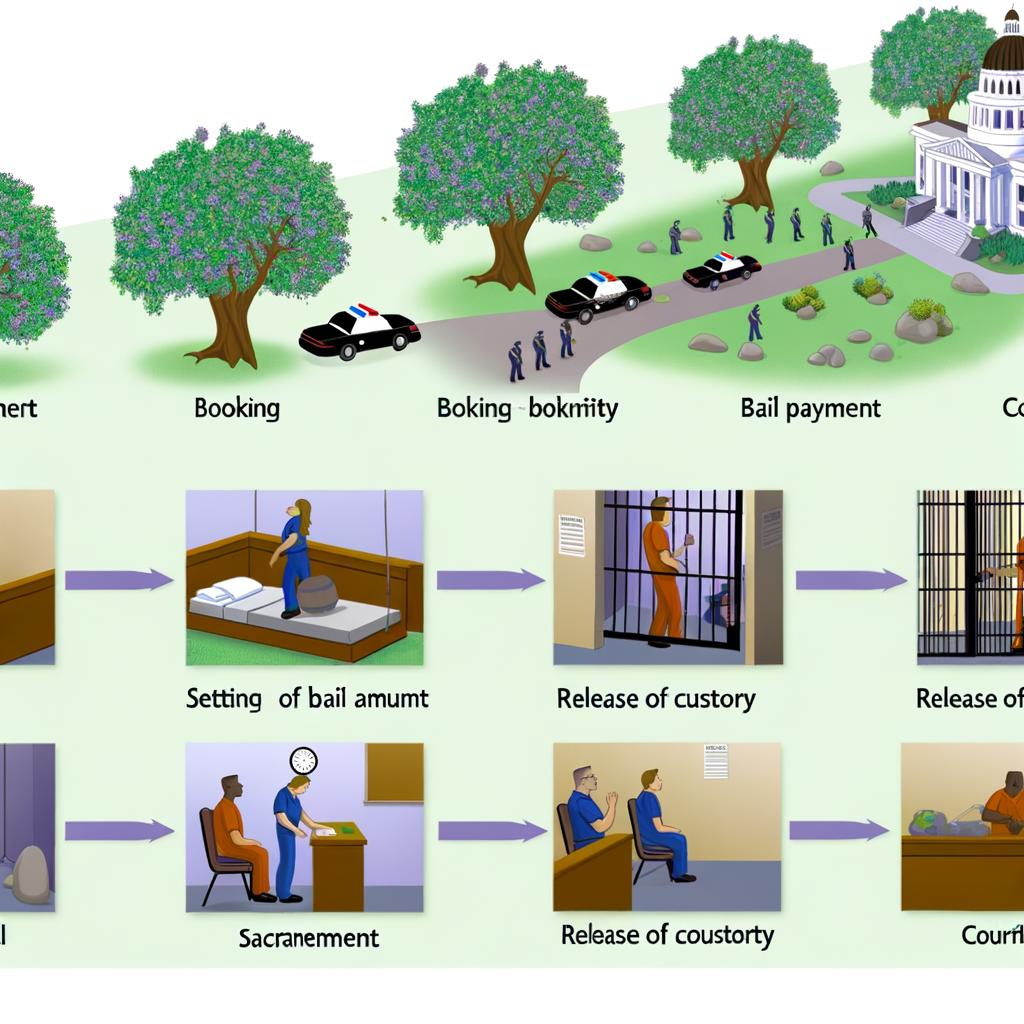
How situations come together, step by step
The operations repeats throughout documents with tiny variations that rest on the person, the charge, and the community. At a high degree, the series is predictable.
- Intake from the bondsman, evaluation of bond terms, and confirmation of the bench warrant status. Data event from public records, data sources, social media sites, and co-signer interviews. Risk analysis and plan development, consisting of legal notifications and safety protocols. Contact attempts and bargained surrender alternatives with time-bound offers. Field procedures, surveillance, control, arrest, and transfer to custody.
Those 5 stages can stretch over a week for a light case or numerous months for a hard target. A competent agent deals with each stage as a chance to solve the case early, inexpensively, and securely. If an offender has a consistent work and a participating co-signer, a sensible plan to give up after payday usually functions. If the accused is sofa browsing, disabled, or looking after youngsters, the plan must accommodate those facts or it will backfire.
Training, credentials, and why temperament matters
The popular image of the task attracts individuals that like adrenaline. The ones who last choose checklists. Training programs in states that accredit agents commonly run 16 to 80 hours, often extra. The curriculum covers legal structures, recognizing papers, report writing, radio discipline, and weapon security if allowed. Numerous agents get here from adjacent fields, such as armed forces cops, personal examinations, or safety having. Those backgrounds aid, however they do not replacement for state-specific legal training.
Temperament is the surprise skill. You are asking somebody who is currently nervous, frequently drunk of tension or compounds, to trade a few hours of freedom for a jail cell. A calm voice, clear descriptions, and trustworthy assurances concerning following steps can keep a scenario stable. Agents who intensify promptly melt bridges with families and draw in problems. The best can change from tactful to crucial when risk spikes, then back to calm when control is restored.
Paperwork is not glamorous, however it matters. Records record time, location, alerts, and any kind of home damages. Well-kept documents shield the representative if a defense attorney alleges a prohibited access, and they help the bondsman deal with a forfeiture by revealing diligent recuperation efforts. In states that enable a remission of forfeiture after apprehension, an in-depth timeline can save a bondsman 10s of thousands of dollars.
Tools of the profession, from databases to door knockers
Gadgets appear in marketing brochures. Reality is extra mundane and more reliable. The device that shuts instances usually is a phone, used with discipline and empathy. Beyond that, the package is utilitarian.
Agents depend on membership databases that accumulated utility documents, insolvencies, lorry registrations, and prior addresses. These services are not magic, but they tighten searches fast. Social network stays fertile ground. A labelled birthday celebration picture can position a fugitive in a particular city last weekend. Geo-tagged posts, less typical currently, still surface area every so often. Representatives establish resources inside hauling yards, apartment complex offices, and little employers. The guarantee of a little reference cost or a future favor opens doors.
In the area, cars are maintained plain. Blinking lights welcome problem and lawful gray locations. Radios and hands-free headsets maintain interaction peaceful. Restrictions are basic. Firearms policies mirror state regulation and firm plan. Some agents choose less-lethal tools where allowed, such as OC spray. Body electronic cameras are getting traction, not as a program of pressure, however as documents that de-escalation was tried which the person was treated respectfully. When a grievance lands, video can make the difference.
Coordination with law enforcement and the courts
Fugitive recuperation representatives do not run in a vacuum cleaner. Great connections with neighborhood police, constable's departments, and prison personnel relieve the handoff. When representatives alert send off before an intended pickup, policemans can stay clear of misconceptions if a neighbor calls in a "guy with a gun" during a legal arrest. In some cities, a known representative can stroll a participating offender straight to the booking workdesk, cutting hours off the procedure and reducing the opportunity of friction on the street.
Courts also play a role. After a concern, the bail bondsman files documents to set aside or minimize the forfeit, affixing evidence of return to safekeeping. Depending upon local regulations, judges may pay all or component of the surrendered bond if the offender is surrendered within a given duration. Agents who keep the timeline tight and the documents strong improve the odds of remission. That win surges. The bondsman maintains business solvent, which maintains the door open for other offenders to safeguard pretrial release.
Ethics, optics, and area impact
This job touches people at prone minutes. A botched entrance or a rude representative can harm trust beyond a single situation. Ethical method begins with complying with the regulation, yet it does not end there. Agents encounter selections that are lawful yet risky. Dragging a moms and dad away before youngsters at college pickup is rarely the smartest move. Waiting an hour, calling a co-signer, setting up child care, those are tiny, humane actions that frequently result in a safer abandonment without compromising the mission.
Racial and economic optics matter as well. The industrial bond industry has critics that say that it criminalizes hardship. Agents can not fix architectural arguments, but they can run with openness, clarify choices plainly, and stay clear of unnecessarily severe methods that confirm the worst perceptions. Some make a point to link offenders with their attorney by phone before transportation, so the person knows what to expect in the beginning look. Tiny politeness take a trip far.
Agents also decide when to claim no. Not every data is audio. If the bondsman lacks proper documents, if the address appears wrong, or if the work crosses a state line without conference that state's licensing guidelines, stepping back shields the business long-term. Passion can be costly. So can pride.
Money, threat, and why situations pay the means they do
Fees differ widely based on location, danger, and speed. A straightforward pick-up on a reduced bond, within the very same area, may pay a couple of hundred dollars. A cross-state hunt on a high bond can reach several thousand, plus expenditures. Some bondsmen offer a percentage of the bond, typically 5 to 10 percent for tough files, but lots of prefer flat fees per apprehension to manage expense. Representatives cover fuel, data source memberships, equipment, and insurance. Responsibility insurance is not low-cost, and some providers will certainly not touch this kind of work. Reputational threat drives pricing as high as danger does.
Time kills profit. If a representative spends two weeks on monitoring just to find out that a loved one quietly drove the defendant to court the day previously, that is a difficult lesson in interaction. The best working relationships between bondsmen and representatives include limited responses loopholes. If the defendant calls the bondsman at 8 p.m. to give up tomorrow, the representative needs to understand immediately to stop operations.
Edge situations that divide pros from amateurs
Every agent has a tale concerning the odd instance that compelled improvisation. The reflex to compel a conventional playbook right into a weird shape breaks things. Two patterns persist:
- The wrong-door issue. Similar names, old addresses, and recycled apartment or condo numbers can deceive even experienced drivers. A regimented confirmation step prior to any type of entrance reduces the odds. Knock-and-talk, asking for the individual by complete name and verifying with a photo, frequently protects against a bad mistake. If an entrance is lawful, agents still choose consent first because permission takes a trip well in court. The clinical and psychological wellness curveball. A defendant in crisis can intensify without warning. Tranquil interaction, a pause to let a family member talk, and sychronisation with EMS when needed maintain people secure. Rescheduling a surrender for the following morning, with an experience organized and an assurance to avoid cuffing before youngsters, is not weakness. It is prudence.
One a lot more edge instance is worthy of interest: out-of-state travel. A bond arrangement might consist of a waiver of extradition, yet agents can not depend on a generic provision when going across boundaries. Lots of states need local licensing to perform recovery work within their limits. Others enable collaboration if a local licensed agent takes the lead. Pros construct networks of vetted colleagues in bordering states to conform without delay.
Where fugitive recovery fits in the bigger justice system
Supporters of commercial bail argue that personal funding and exclusive enforcement reduce pretrial apprehension prices without straining taxpayers. Critics counter that outcomes are irregular and that ability to pay misshapes justice. Both can be true relying on the courthouse you walk into. Inside that argument, fugitive recuperation agents address a particular issue. Courts have actually limited sources. Cops divisions focus on terrible criminal offenses. When an accused with a pacifist fee misses court, an exclusive agent frequently shuts the loop much faster than a warrant squad can. The public does not observe the countless quiet returns to protection that maintain dockets moving.
There is space for reform without caricature. States that call for training, clear recognition, and transparent coordination with law enforcement tend to see fewer complaints. Bondsmen that connect proactively with offenders and supply organized tips reduce failings to show up, which reduces the demand for recovery in the first place. Modern technology helps. Text reminders, experience coupons for court dates, and fast check-ins by phone are cheap and efficient. Representatives take advantage of those investments, due to the fact that fewer cases go bad, and those that do are much better documented.
For accuseds and family members navigating a bond
People under bond are not abstractions. They are workers, moms and dads, and next-door neighbors trying to handle court with life. When a person misses a day, panic surges. That is the minute to call the bondsman, not to hide. The majority of bail bondsmans will collaborate with an accused to reset a court appearance within the lawful home window, specifically if the individual calls first. Waiting up until an agent is at the door reduces choices and boosts cost. Family members that co-signed need to keep documents of brand-new addresses and tasks. It is far better to be the loved one who contacts us to prepare an abandonment than the one enjoying a late-night arrest in the driveway.

On the other side, if a recuperation representative get in touches with a defendant, a calm conversation can shape the following 24 hr. Request recognition. Verify the company with the bondsman. Demand that the abandonment happens at once that prevents public shame preferably. Have a bag prepared with any kind of drug, a listing of doctors, and a get in touch with for a legal representative. Representatives that collaborate with self-respect frequently respond in kind.
The quiet craft behind a loud reputation
The stereotype of the bounty hunter, loud and negligent, persists. The real work prefers silent drivers who recognize just how contracts intersect with criminal courts, who can read a neighborhood from the very first turn off the main road, and that treat family members like people rather than obstacles. They link the business economics of bail bonds to the useful requirement to return defendants to court. The public seldom sees them since the most effective outcomes are uneventful.
That is the mystery of fugitive recuperation. It is visible when it fails, undetectable when it goes right. The job sits there, in the background, assisting an exclusive pledge to the court remain qualified. When the phone rings and a bondsman says a client avoided, a representative constructs a plan: regulation first, safety always, persuasion prior to stress. A lot of days, that suffices. On the days when it is not, training, persistence, and judgment carry the rest.
ABBA Bail Bonds 900 Avila St STE 101 Los Angeles, CA 90012 (213) 296-0901 https://abbabailbonds.com